A harsh braking event on its own rarely tells the whole story. It may reflect a genuine near miss, a heavily loaded vehicle, a steep access road or poor traffic conditions. The value of knowing how to monitor driver behaviour is not in collecting more alerts. It is in turning reliable vehicle and video data into fair, timely action that protects people, equipment, compliance standing and margins.
For Australian fleets, particularly those operating heavy vehicles, plant, concrete agitators, waste trucks or service vehicles, driver behaviour must be viewed alongside route conditions, load requirements, fatigue rules and the work being performed. A practical monitoring program gives managers evidence to coach drivers, identify recurring risk and recognise safe performance without creating unnecessary administration or a culture of surveillance.
Start with the behaviours that affect fleet risk
Set measures according to the work your fleet performs. A metropolitan courier fleet may focus on speeding, harsh cornering and unauthorised vehicle use. A construction or aggregate operation may need greater visibility of idling, route adherence, plant interaction, seatbelt use, fatigue events and pre-start completion. Heavy-vehicle operators must also account for the requirements that sit around fatigue management, work diaries, mass and chain of responsibility.
The most useful baseline measures are speeding against posted or configured limits, harsh braking, acceleration and cornering, excessive idling, vehicle utilisation, route deviation and out-of-hours use. These events can be captured through GPS telematics, vehicle inputs and accelerometer data.
Do not treat every threshold breach as misconduct. A low threshold can create alert noise, particularly in urban traffic or on worksites. Set tolerances by vehicle class, operating environment and task, then test them against real trips. A fully loaded tipper should not necessarily be assessed against the same braking profile as a light ute.
Combine telematics with verified context
GPS tracking establishes where a vehicle was, how fast it travelled and how its journey progressed. It is the foundation of driver behaviour monitoring, but it has limits. It cannot always show why an event occurred.
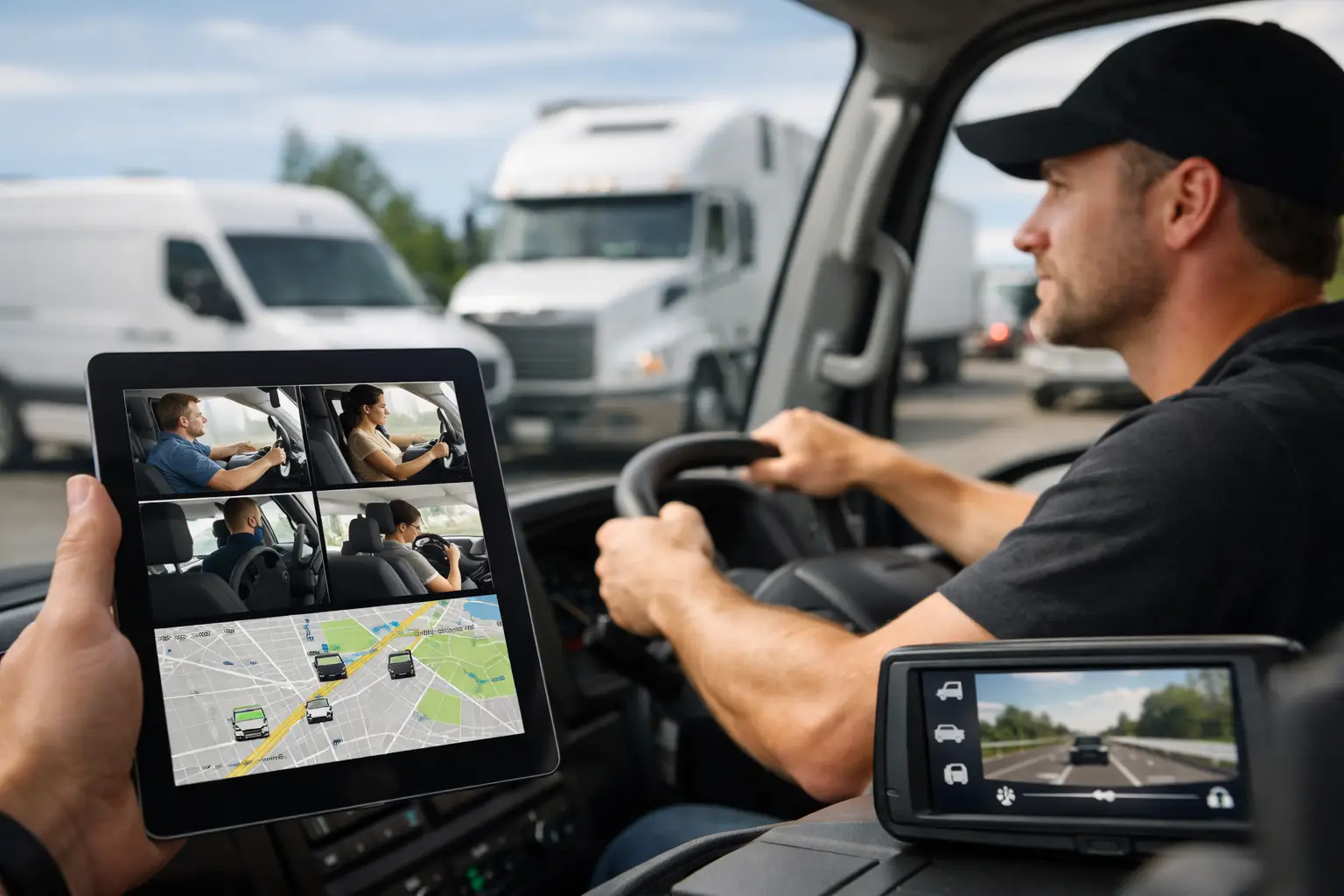
AI driver cameras add context to higher-risk events. Depending on the configuration, they can identify distraction, mobile phone use, fatigue indicators, smoking, seatbelt non-use and forward-road hazards. Video associated with an event allows a manager to distinguish between a driver following too closely and a driver braking sharply to avoid another road user.
This distinction matters. Coaching based on incomplete data quickly loses credibility. Verified footage can support a fair conversation, while false positives can be closed out without penalising a driver who acted appropriately.
Vehicle data should also be considered where available. Engine hours, PTO activity, ignition state, odometer readings, fuel use and diagnostic alerts help explain how a vehicle is being operated. In a concrete fleet, for example, agitator activity, delivery timing and site dwell can provide the operational context needed to assess a journey properly. For plant and machinery, the focus may shift to unauthorised use, operating hours, impact events and pre-start records.
How to monitor driver behaviour without creating alert fatigue
The difference between a useful fleet platform and an ignored dashboard is workflow. Managers need exceptions that are prioritised, assigned and resolved, not a stream of isolated notifications.
Begin by creating a risk hierarchy. Critical events such as suspected fatigue, high-speed collisions, severe impacts or repeated mobile phone distraction should be escalated immediately. Moderate events, including occasional harsh braking or minor speeding, can be reviewed in a daily or weekly coaching queue. Low-level trends belong in monthly reporting rather than real-time alerts.
A practical review process usually follows four steps:
- Capture the event from telematics, camera footage or vehicle data.
- Review location, speed, route, load and video context before reaching a finding.
- Record the outcome, including coaching completed, no action required, maintenance issue identified or further investigation needed.
- Track repeat events by driver, vehicle, depot, route and time of day to identify the underlying cause.
This approach prevents managers from reacting to individual alerts without seeing the pattern. Three harsh braking events on a particular access road may indicate a site-control issue. Repeated speeding at the end of a shift may point to unrealistic scheduling, fatigue or pressure around delivery windows. Technology should reveal operational problems as well as individual behaviour.
Make driver coaching specific and defensible
Behaviour monitoring works best when drivers know what is being measured, why it is being measured and how the information will be used. A policy should cover monitored behaviours, camera use, who can access footage, how long records are retained, how coaching is documented and the process for challenging an event.
Use the same standard for every driver and base conversations on evidence. Instead of saying a driver has a poor safety score, discuss a specific trip: the event time, road location, vehicle speed, surrounding conditions and any available video. Ask what happened before deciding what needs to change.
Coaching should be proportionate. A first low-level event may require a conversation and a reminder. A repeated pattern may justify targeted training, route review or supervision. Serious events may require formal investigation under the organisation's safety and employment processes. Managers should also recognise consistent safe driving, because the program is more likely to be accepted when it rewards professional conduct as well as addressing risk.
Privacy and consultation are essential. Driver-facing cameras and location tracking should be implemented transparently, with appropriate workplace consultation and policies that align with applicable privacy, industrial and employment obligations. Obtain advice where needed, especially if footage may be used in disciplinary action. Clear governance protects the business and gives drivers confidence that the system is being used for safety and operational improvement, not arbitrary monitoring.
Link behaviour data to compliance and maintenance
For heavy fleets, driver behaviour data should not sit separately from compliance records. It becomes more valuable when connected with electronic work diary workflows, fatigue management, pre-start checks, vehicle defect reporting and mass management processes.
A driver showing fatigue-related events may need their work and rest history reviewed. Repeated harsh braking or impact alerts can also prompt a maintenance inspection for brakes, tyres, suspension or load restraint issues. Similarly, excessive idling may be a coaching matter, but it may also identify site queues, poor dispatch sequencing or a vehicle left running to support auxiliary equipment.
This joined-up view reduces the risk of treating every problem as a driver problem. It also creates an auditable record of how the business identified, investigated and managed safety issues. That is particularly useful where fleet managers must demonstrate active oversight under HVNL obligations.
Build reports for action, not presentation
A weekly driver scorecard can be useful, provided its calculation is transparent and adjusted for exposure. A driver travelling 2,000 kilometres on regional highways should not be compared blindly with someone completing 30 stop-start urban deliveries each day. Score events by distance, engine hours or operating hours, and segment the results by vehicle type and task.
At management level, report on trends that lead to a decision: high-risk events per 1,000 kilometres, speeding by route, idling by depot, camera-verified distraction, overdue coaching actions and recurring events following training. At driver level, keep reporting focused on behaviours the person can reasonably control.
Review whether interventions are working. If a coaching campaign reduces phone-distraction events but harsh braking rises on one route, investigate the route rather than claiming the program has succeeded overall. Monitoring is a continuous operating discipline, not a one-off installation project.
Choose technology that can operate as one system
Fragmented systems create gaps. A manager may have GPS data in one portal, camera footage in another, fatigue records elsewhere and maintenance defects in a spreadsheet. The result is slow investigations and inconsistent records.
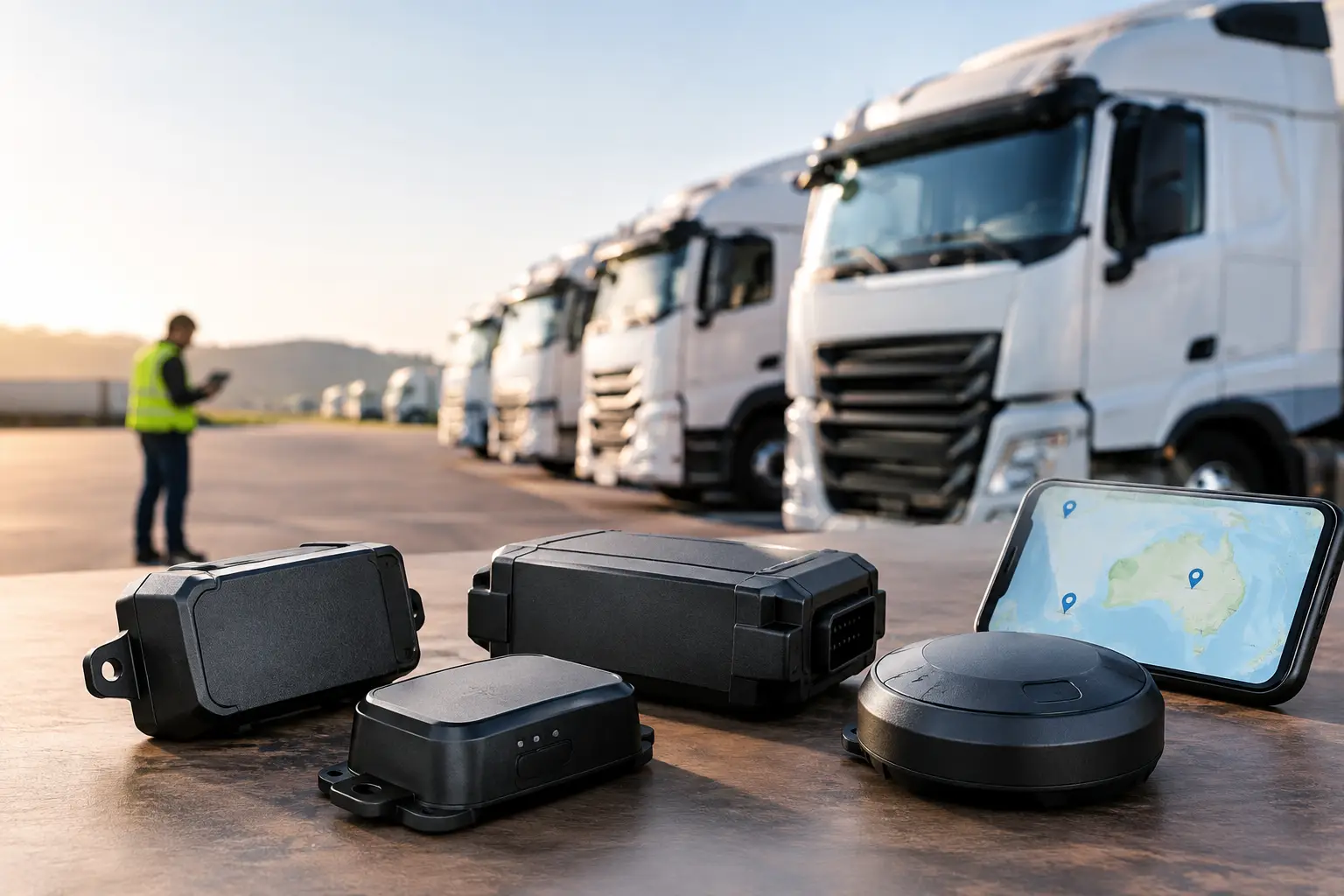
Look for an end-to-end platform that can support the fleet's actual operating requirements: vehicle and asset tracking, configurable alerts, driver identification, AI camera events, compliance workflows, reporting and local technical support. Hardware quality matters as much as software, particularly in harsh environments where heavy vehicles, trailers, plant and marine assets need reliable power, mounting and connectivity.
Netcorp supports this approach through Australian-designed fleet hardware and a locally supported platform built for complex operations, including heavy-vehicle compliance and sector-specific workflows. For a fleet manager, the practical test is simple: can the system provide enough evidence to act quickly, fairly and consistently when an event occurs?
The strongest driver behaviour programs do not rely on a single score or a punitive alert. They give good drivers credit, help supervisors address real risk early and show the business where schedules, sites or processes need attention. When the data is trusted and the response is fair, safer driving becomes part of normal fleet operations rather than another report waiting to be reviewed.