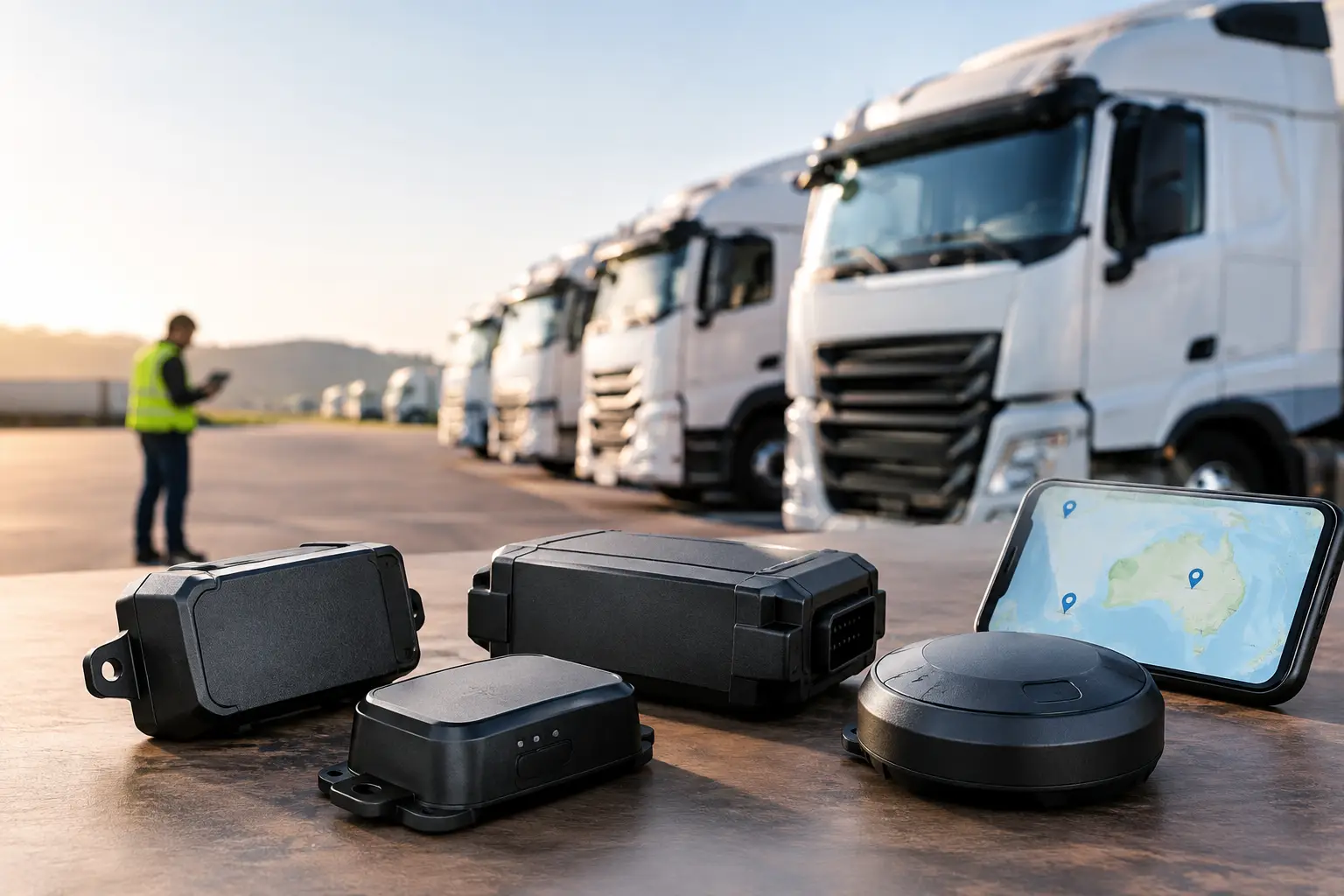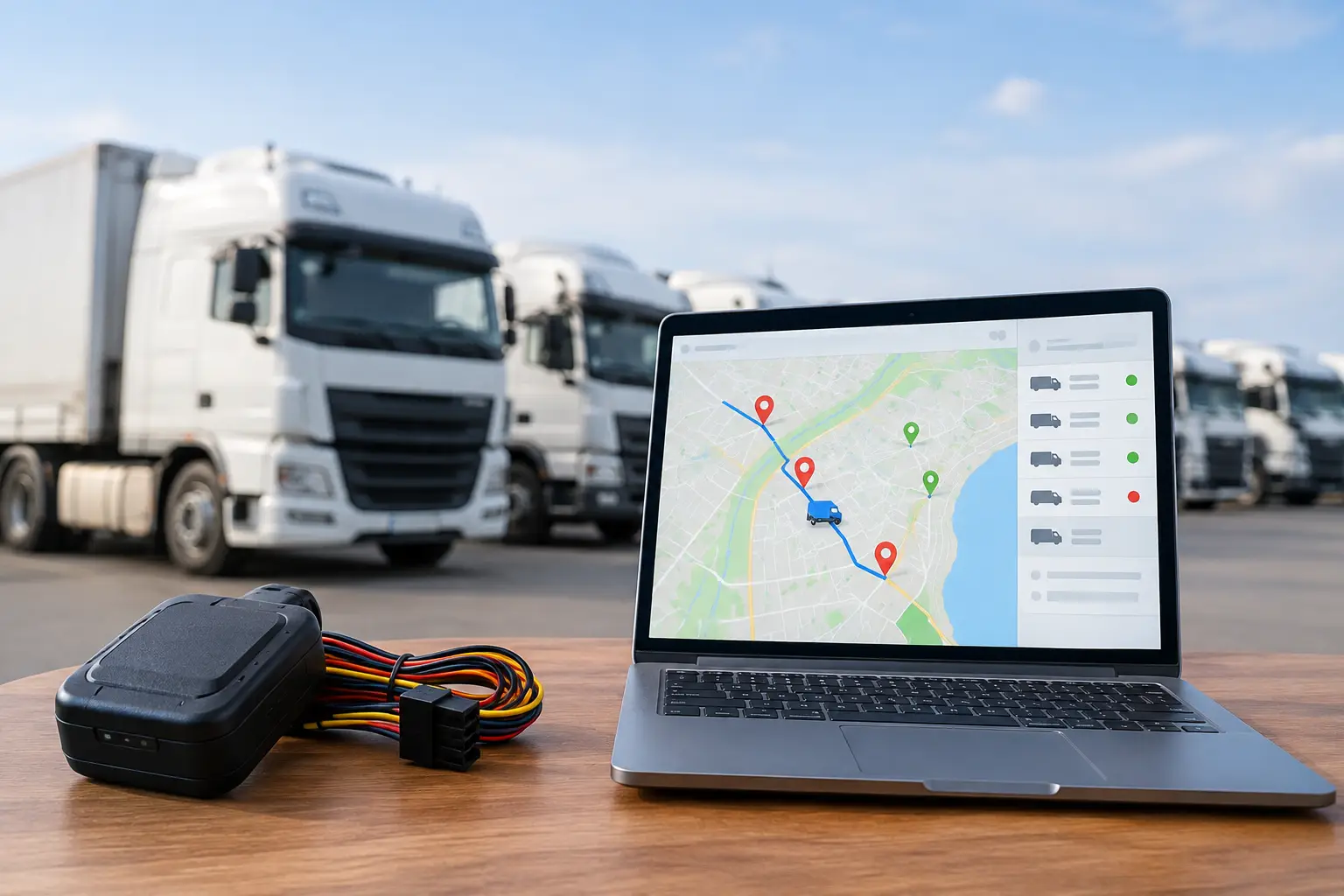
A missed concrete delivery window, an unverified fatigue break or a plant item that has not moved for three days can quickly become a margin problem. A useful vehicle tracking device review is not about choosing the unit with the longest feature list. It is about confirming whether the complete system gives fleet managers reliable evidence, practical control and support when operations are under pressure.
For Australian fleets, particularly those operating heavy vehicles, construction equipment, waste collections, local government assets or specialist plant, the device is only one part of the decision. Location accuracy matters, but so do installation quality, network coverage, reporting logic, compliance workflows, data ownership and the people who answer the phone when a vehicle is off the road.
Start a vehicle tracking device review with the job to be done
The right device depends on what the asset does and what your team needs to prove. A courier ute travelling metropolitan routes has different requirements from a tipper operating across regional sites, an agitator truck working to tight concrete delivery times, or an excavator moving between projects.
Start by defining the operating questions the system must answer. Can dispatch see which vehicle is closest to the next job? Can a supervisor verify arrival and departure at a site? Can the business identify excessive idling, unauthorised use or recurring route delays? Does the safety team need evidence of speeding, harsh braking, fatigue events or camera-triggered incidents?
This step prevents a common procurement error: comparing subscription prices before confirming the operational outcome. A low-cost GPS tracker may show a dot on a map, yet provide little value if it cannot distinguish ignition status, engine hours, PTO activity, driver identity or trailer movement.
Assess the hardware, not just the screen
Fleet platforms are often assessed through a software demonstration. That is understandable, because maps and dashboards are visible immediately. However, the hardware determines the quality and continuity of the data feeding those screens.
A hard-wired telematics unit is generally better suited to operational fleets than a simple plug-in tracker. It can report vehicle power status, maintain a more stable installation and connect with vehicle systems where appropriate. For heavy vehicles and specialised equipment, the ability to capture inputs such as PTO use, door status, bin lifts, hydraulic activity, engine hours or temperature can turn tracking data into operational intelligence.
The physical environment matters as well. Devices installed in trucks, trailers, plant and marine vessels may face vibration, dust, moisture, heat and long periods away from a depot. Ask how the hardware has been designed for that environment, how it is fitted, and whether replacement units and technicians are available locally.
Battery-powered asset trackers have a legitimate place, particularly for trailers, generators, attachments and plant that lacks a reliable power source. Their trade-off is reporting frequency. A battery device configured to report every few minutes will consume more power than one reporting once or twice a day. The right setting depends on theft risk, utilisation requirements and how often the asset changes location.
Accuracy is more than GPS location
Most modern devices can produce a GPS position. The real difference is whether the system presents trustworthy information in the context of the work being done.
Location data should be supported by sensible update intervals, reliable network connectivity and clear handling of coverage gaps. Remote work is a reality for many Australian operators. A device cannot transmit where there is no mobile service, so assess what happens to data during a black spot and whether it is stored for later upload without creating false trip records.
Geofencing is another area where configuration matters. A well-built geofence around a quarry, transfer station, customer site or depot can automate arrival and departure times. A poorly sized one can create noisy, disputed data. The platform should allow practical site-specific settings, rather than forcing every location into the same rule.
For compliance and payroll-related decisions, look closely at timestamps, driver allocation and audit history. If a manager needs to investigate an overtime claim or a customer dispute, they need a defensible record showing what occurred, when it occurred and whether any record was later changed.
Check whether driver behaviour reporting is usable
Speeding, harsh braking, harsh acceleration and harsh cornering are standard telematics measures. On their own, they are not a safety programme. A harsh braking event may reflect poor driving, but it may also indicate a pedestrian, animal or another road user entered the vehicle's path.
A worthwhile system enables managers to see patterns over time, account for road conditions and coach drivers fairly. It should make it straightforward to separate a one-off exception from repeat behaviour that needs attention. Driver scorecards can support this process, but only when the thresholds are transparent and appropriate for the vehicle type.
AI driver cameras can add useful context to high-risk events. Footage or event classification can help identify distraction, mobile phone use, fatigue indicators, tailgating or seatbelt non-compliance. Yet cameras require a considered rollout. Drivers need clear information about what is captured, how it will be reviewed and how the organisation will use the information. The strongest outcomes come when cameras support coaching and incident prevention, not surprise disciplinary action.
Match the platform to Australian compliance requirements
For heavy-vehicle operators, tracking should support a broader compliance position rather than exist in isolation. Depending on the operation, that may include fatigue management, Electronic Work Diary requirements, mass management, pre-start checks, vehicle defect reporting and chain of responsibility processes.
The question is not simply whether a provider says it supports compliance. Ask how the workflow works in practice. Can drivers complete required checks on a mobile device? Can the office identify missing forms before a vehicle leaves site? Are records searchable and exportable during an audit? Does the platform reduce duplicate entry between fleet, safety and payroll processes?
An integrated approach can reduce administrative load and improve confidence in the record. It also reduces the risk of having tracking data in one system, fatigue records in another, camera events in a third and maintenance evidence held in an inbox. Fragmented systems create gaps precisely when an operator needs to investigate an incident quickly.
Examine reporting through commercial outcomes
A tracking system should help leaders make a decision, not just produce more reports. Before selecting a provider, identify the metrics your team will act on each week. For some fleets that may be idle time and overtime. For others it may be route adherence, engine hours, unauthorised after-hours use, trailer dwell time or completed jobs per shift.
Reporting should be configurable enough to reflect the operation. A waste fleet may measure collection completion and bin-lift activity. A construction business may focus on plant utilisation and travel between sites. Concrete operators may need a more specialised view of batch, travel, discharge and return activity.
The commercial case should be tested with real baseline data. If a provider claims reduced idle time or better labour utilisation, ask how the result will be measured in your fleet and who will own the improvement process. Technology can expose wasted time, but managers still need agreed rules, timely review and the authority to act on the findings.
Support, security and implementation are part of the product
A vehicle tracking rollout can affect drivers, workshop teams, dispatchers, payroll staff, safety personnel and IT. The technical installation is only one task. Vehicle lists need cleaning, users need appropriate access, alerts require tuning and managers need to know which exceptions deserve action.
Local support is particularly valuable when a fleet has mixed asset types or operates across multiple depots. Ask whether the provider installs and supports its own hardware, whether support is available outside business hours, and who is accountable if an issue spans the device, platform and compliance workflow.
Security also deserves practical scrutiny. Telematics platforms hold vehicle locations, driver information and operational patterns that can be commercially sensitive. Consider user permissions, multi-factor authentication, retention settings, audit logs and the provider's information-security practices. For enterprise fleets and government operations, recognised quality and information-security certifications can provide added assurance, but they should be backed by clear operating processes.
Netcorp's model is relevant here because its hardware, fleet platform, compliance tools and Australian support are delivered as an end-to-end service, rather than handed between disconnected providers. That model can simplify accountability for fleets that need more than basic map visibility.
Questions to ask before signing
A demonstration should reflect your fleet, not a generic sales scenario. Ask the provider to show a real trip from ignition on to ignition off, including a coverage gap, an alert, a driver assignment change and the report that management would use afterwards.
Also ask what happens when vehicles are replaced, trailers change hands, a device fails, a driver disputes an event or a regulator requests records. These are ordinary operational events, and the answers reveal far more than a polished dashboard.
A sound decision balances capability with adoption. The most sophisticated platform will not deliver value if dispatch ignores alerts, drivers do not understand the process or the data cannot be trusted. Choose the system that gives your people clear, repeatable actions from the first shift, then build from there.