A quarry can lose productive hours long before a machine stops. A loaded truck waiting at the wrong stockpile, a loader travelling across site for an avoidable task, or a driver delayed at the gate can all affect tonnes moved by the end of the shift. Quarry fleet visibility gives operations teams a current, reliable view of where vehicles and mobile plant are, what they are doing and where the next delay is forming.
For aggregate and concrete supply operations, visibility is not simply a map with moving icons. It is the operational evidence needed to coordinate plant, road-going vehicles, people and production targets across a changing site.
What quarry fleet visibility should show
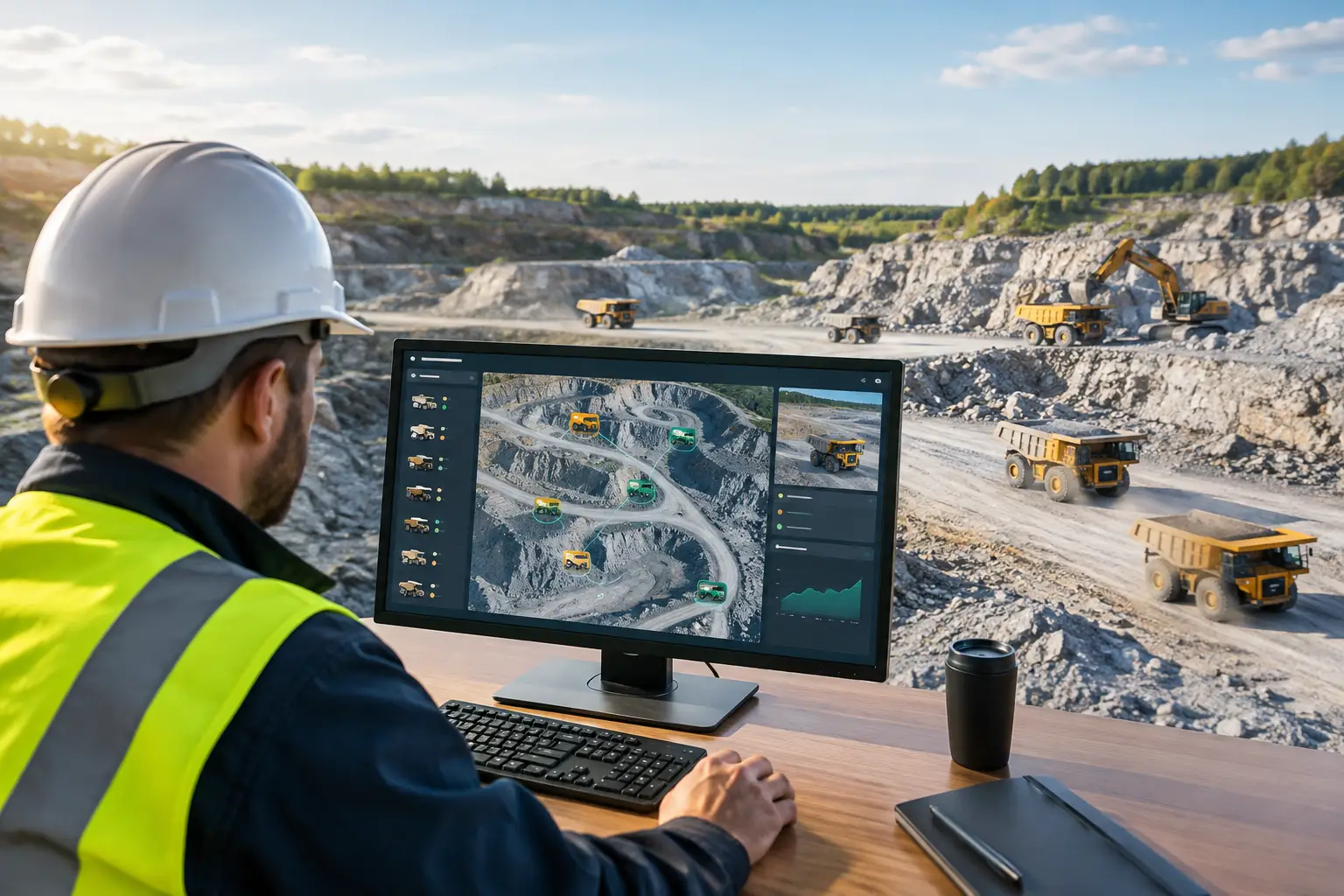
A useful fleet system brings location, activity and safety information into a single operating picture. Supervisors need to see the position of loaders, excavators, water carts, dozers, haul trucks, service utes and delivery vehicles without calling drivers or relying on end-of-shift paperwork.
The value comes from context. A vehicle location becomes more useful when the system can show whether it is stationary, travelling, idling, at a designated zone or operating outside expected hours. Geofences around pits, crushers, weighbridges, workshops, stockpiles and site entrances turn raw GPS data into events that a supervisor can act on.
For example, repeated time at a weighbridge may point to a loading bottleneck. Extended idle time near a stockpile may indicate poor task sequencing, a driver waiting for instruction or a plant availability issue. These are operational questions, not technology questions, and the fleet platform should help answer them quickly.
Location data is only the starting point
GPS tracking establishes where an asset is, but quarry operations need to understand its movement over time. Historical trip replay can help investigate a missed delivery window, verify vehicle access to a work area or identify travel paths that create unnecessary plant movement.
This is particularly valuable where the fleet extends beyond the quarry gate. A business may be coordinating site plant, bulk tippers, agitators, trailers and maintenance vehicles across several locations. One view of the fleet reduces the gap between production planning, dispatch and transport management.
Why visibility matters on a working quarry
Quarry conditions change by the hour. Weather can alter haul roads. Production priorities can shift between material grades. A breakdown at the crusher can affect loading and dispatch almost immediately. Managers need current information that supports practical decisions, rather than reports that only explain yesterday's problems.
Better visibility helps teams respond to common operational pressures.
Reduce avoidable idle time and travel
Idle time is not always wasted time. A truck may be waiting safely for loading clearance, or a water cart may be held while another machine completes work in the same area. The issue is unplanned or unexplained idle time, particularly when it becomes a routine part of the shift.
By reviewing idling, travel paths and time spent in defined zones, managers can distinguish necessary waiting from avoidable delay. That can support changes to loading sequences, break allocation, refuelling routines or task dispatch. Even small improvements matter when applied across multiple machines and shifts.
Improve coordination between plant and transport
Production and transport teams often work to different immediate priorities. The quarry may be focused on material movement and stockpile availability, while transport is focused on delivery slots, driver hours and customer commitments. Fleet visibility gives both teams a shared source of operational information.
A dispatcher can see whether a vehicle has arrived on site and how long it has been waiting. A supervisor can confirm whether mobile plant is in the expected operating area. When exceptions occur, the conversation can move from assumptions to verified activity.
Strengthen site safety oversight
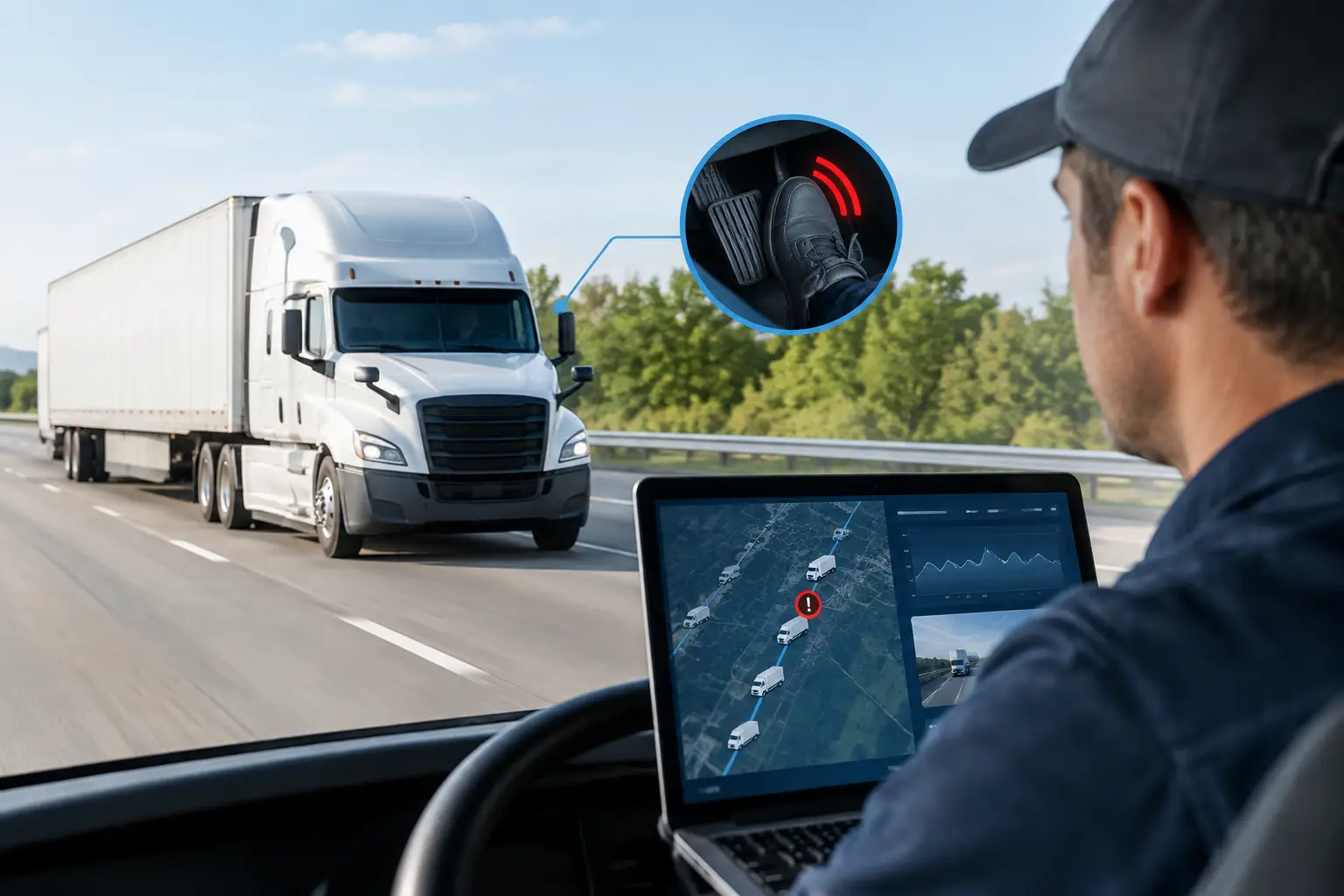
Mobile plant and light vehicles share constrained spaces, changing haul routes and active work zones. Telematics can support safer operations by recording speeding, harsh braking, rapid acceleration, unauthorised movement and out-of-hours activity. AI driver camera technology can add an important layer of evidence for fatigue indicators, distraction and serious driving events.
The purpose is not to create a stream of alerts that no one can manage. It is to identify events that require coaching, investigation or a change to site controls. Alert settings should reflect the quarry's actual risk profile, vehicle type and operating environment. A threshold appropriate for a road truck may not suit a loader working on uneven ground.
Build visibility around operational decisions
The best fleet deployment starts with the decisions a manager needs to make during a shift. If the answer is simply "see every vehicle", the system may deliver a map but little operational improvement. A stronger approach is to define the events and exceptions that matter most.
For a quarry, these may include plant operating outside approved zones, extended idle periods, unauthorised after-hours use, excessive speed in designated areas, unexpected dwell times, missed maintenance activity or vehicles remaining on site beyond planned dispatch windows.
Once priorities are clear, configure dashboards and reports around those measures. A quarry manager may need a live plant status view. A transport manager may need arrival, loading and departure times. A safety leader may need verified event footage and trend reporting. Each role should receive useful information without being buried in data.
Use geofences that reflect the real site
Generic site boundaries produce generic data. Defined zones should match the way the quarry actually operates: extraction areas, load-out points, workshop bays, fuel locations, wash-down areas, restricted zones and public-road access points.
Geofence design needs maintenance. Haul roads move, pits expand and temporary exclusion zones are introduced. Treating these zones as an operational control, rather than a one-off software setup, keeps event data relevant.
Connect maintenance activity to asset usage
Plant hours and distance data can support maintenance planning, especially where equipment is working across multiple sites or shifts. Visibility helps confirm actual utilisation rather than relying solely on manual hour readings.
It does not replace maintenance inspections or technician judgement. Instead, it provides another reliable input for scheduling services, investigating abnormal operating patterns and reducing the chance that critical maintenance is missed. Pre-start workflows can further improve record keeping by capturing defects and confirming that checks have been completed before equipment enters service.
Avoid the common visibility traps
More data does not automatically produce better control. Quarry operators can invest in tracking hardware, receive a high volume of alerts and still struggle to identify the issues affecting production or safety.
The first trap is fragmented systems. If GPS, cameras, compliance records and maintenance information sit in separate platforms, teams spend time reconciling data rather than managing the operation. An integrated platform reduces double handling and gives managers a clearer audit trail when an incident, customer query or compliance review occurs.
The second is poor installation or unsupported hardware. Heavy plant, trailers and road vehicles have different power, mounting and environmental requirements. Hardware must be suited to vibration, dust, operating hours and communications coverage. A provider that designs, deploys and supports the solution end to end is better placed to resolve issues before they become gaps in fleet data.
The third is treating monitoring as a disciplinary tool. Drivers and operators are more likely to engage with the system when it is used fairly, when expectations are clear and when data supports safer work and practical coaching. Serious or repeated events need action, but the wider goal should be a more predictable operation.
Visibility beyond the quarry gate
For many operators, the commercial impact of fleet visibility extends to deliveries and customer service. A delayed tipper or agitator can affect site crews, concrete pours and booked unloading windows. Verified arrival and departure data helps teams communicate accurate information before a minor delay becomes a customer escalation.
Heavy-vehicle operators also need visibility that supports compliance. Driver hours, fatigue management, vehicle checks and route activity may all need to be available for review. Where applicable, integrating telematics with heavy-vehicle compliance workflows helps create consistent records rather than relying on disconnected paper processes.
This is where an Australian provider with experience in demanding fleets can make a material difference. Netcorp combines locally designed hardware, fleet telematics, driver camera technology and compliance capability with Sydney-based support, giving quarry businesses a practical path to one platform across plant and transport assets.
Measure improvement, not just activity
A visibility program should be reviewed against operational outcomes. Useful measures may include idle time by asset class, time spent in key zones, after-hours movement, safety-event trends, utilisation, delivery turnaround and maintenance compliance. The right measures depend on the quarry's layout, production model and mix of owned, hired and contracted assets.
Start with a manageable number of measures and establish a baseline before setting targets. A high idle figure may have a legitimate cause, such as dust suppression requirements or site access restrictions. Investigate the operational reason before deciding that the number represents poor performance.
The most useful fleet data is the data that helps a supervisor make a better decision before the shift is lost. When location, activity, safety and compliance information are accurate and available in one place, quarry teams can spend less time chasing updates and more time keeping people, plant and production moving safely.