A driver’s eyes closing for a few seconds on a regional run, at a quarry exit or in afternoon traffic can become a serious event before a supervisor has any visibility of the risk. A fatigue detection camera for trucks gives fleet teams a practical way to identify observable warning signs in the cab and act on them while there is still time to prevent an incident.
For Australian truck operators, the value is not simply another camera feed or another dashboard alert. The right system can support fatigue-management procedures, strengthen supervisor response, provide a defensible record of safety events and connect driver risk with the broader operating picture: vehicle location, route, hours, speed and behaviour.
What a fatigue detection camera for trucks does
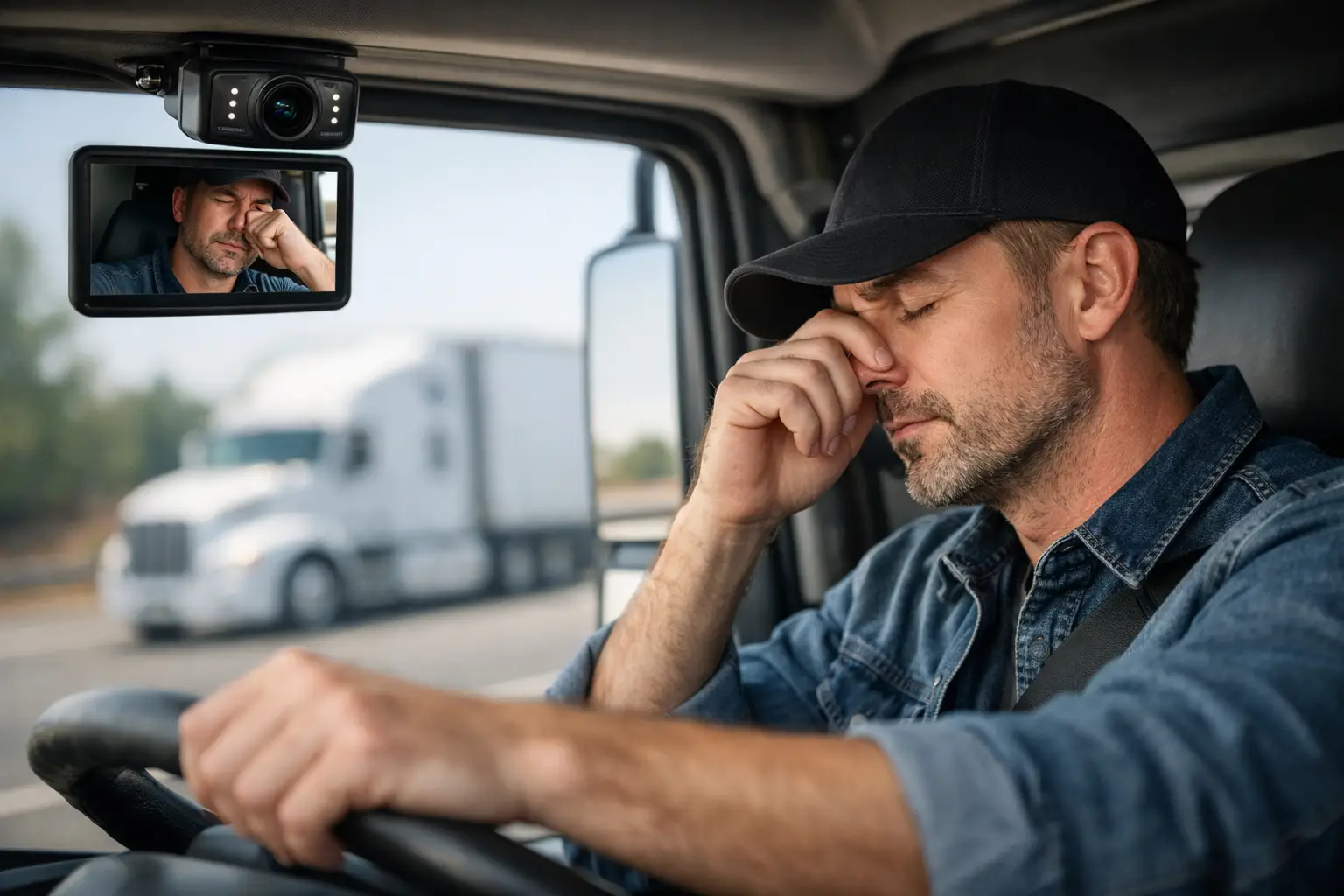
A fatigue detection camera is usually an inward-facing, AI-enabled camera mounted in the vehicle cab. It monitors visible driver behaviours that may indicate fatigue or distraction, such as prolonged eye closure, frequent yawning, head nodding, eyes off road, mobile phone use or smoking. When configured thresholds are met, the system can provide an in-cab warning and create an event for review by a fleet or safety team.
This distinction matters. The camera does not diagnose fatigue, nor does it replace a driver’s legal responsibility to be fit for work. It detects observable risk indicators. A well-run operation uses those indicators as a prompt for an informed response, not as an automatic judgement about a person’s fitness or conduct.
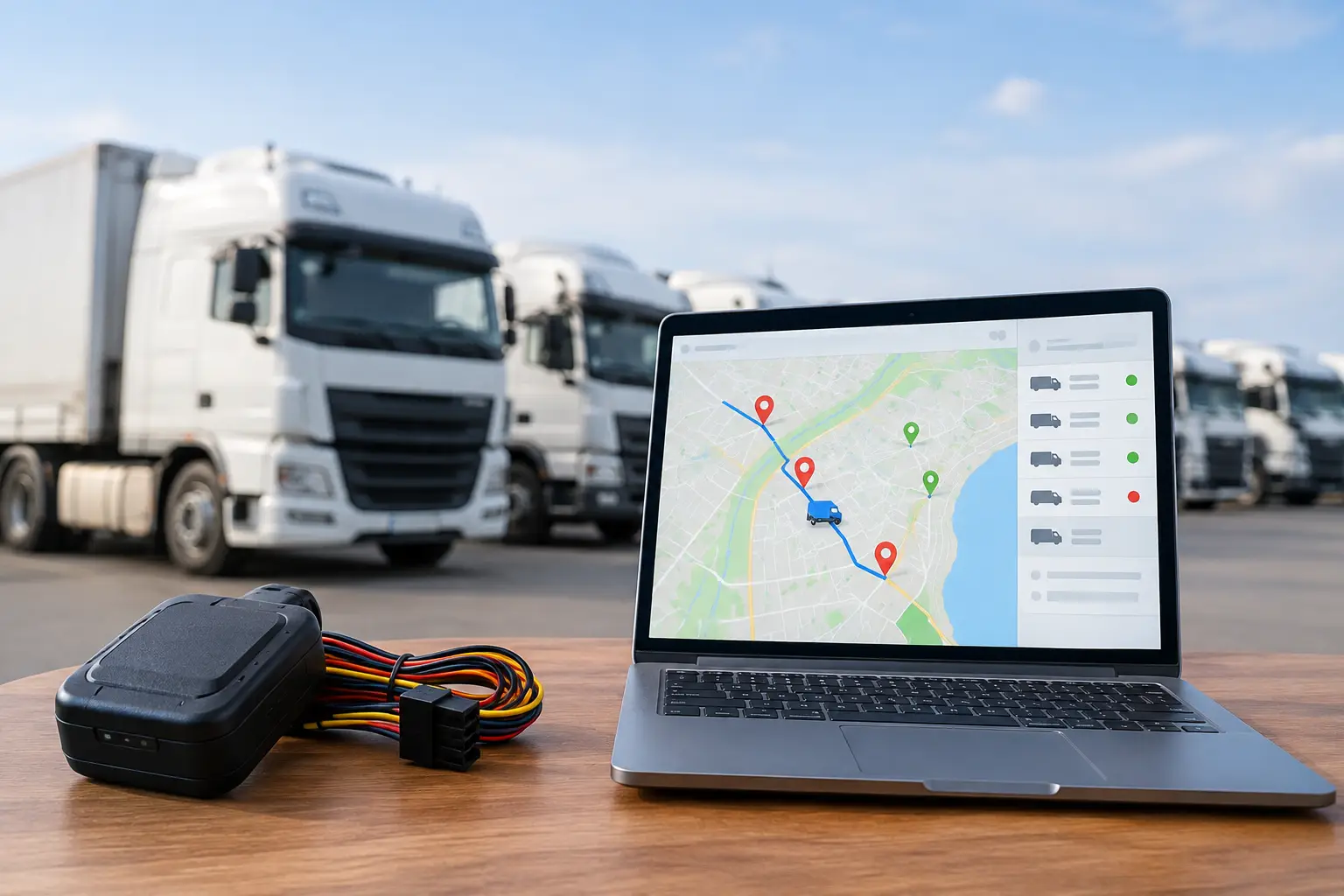
The most effective systems combine inward-facing vision with outward-facing road footage, GPS position, vehicle data and event context. A fatigue alert on its own may not tell a reviewer much. A fatigue alert that shows the vehicle was travelling at highway speed after a long shift, with the event location and time available, gives a supervisor the information needed to make a timely decision.
Why cameras are becoming part of fatigue management
Fatigue management has always relied on planning: appropriate schedules, realistic delivery windows, work and rest records, driver education and supervisor oversight. These controls remain essential. Camera technology adds a live operational layer by helping fleets see when the plan may not be holding up in the field.
That is particularly relevant for fleets operating across long distances, variable job sites and changing shift patterns. Concrete, waste, construction and heavy haulage work can involve early starts, traffic delays, waiting time, repetitive routes and pressure around service windows. Even a well-planned roster can be affected by conditions that emerge during the day.
For operators working under the Heavy Vehicle National Law, camera evidence can also support a stronger chain-of-responsibility culture. It demonstrates that the business has tools and processes to identify and respond to safety risks. Evidence is only useful, however, when the response process is clear, consistent and documented.
A camera should therefore sit alongside, rather than compete with, electronic work diaries, fatigue management plans, pre-start processes and supervisor checks. The operational objective is simple: identify risk early, contact the driver where appropriate, arrange a safe stop or relief, and record what occurred.
Features that matter in real truck operations
Not every AI camera is suited to heavy vehicles or the realities of Australian fleets. Procurement decisions should focus on the quality of detection, the clarity of evidence and how well the system fits into day-to-day operations.
Accurate alerts without constant noise
Driver acceptance can fall quickly if a system generates frequent false alerts. Poorly calibrated detection, unsuitable camera placement or changing light conditions can create unnecessary notifications that teams learn to ignore. Conversely, a system with thresholds set too high may miss useful early-warning events.
Look for adjustable alert settings and a clear process for validating performance during rollout. The goal is not to capture every glance or movement. It is to identify meaningful patterns that warrant attention, while avoiding an unmanageable volume of low-value events.
Reliable performance in changing conditions
Truck cabs present difficult camera conditions. Drivers may work before sunrise, at night, through glare, in dust, on rough access roads and while wearing sunglasses or prescribed eyewear. Camera hardware and AI performance need to be assessed against those conditions, not only in a controlled demonstration.
Installation quality is equally important. A camera positioned poorly can affect the driver’s field of view, produce weak footage or reduce detection accuracy. Fleets should use an installation partner that understands different truck makes, cab layouts, power requirements and the practical demands of heavy-vehicle deployment.
Evidence with operational context
A short video clip is more useful when it includes a timestamp, vehicle identity, location, speed and associated driving data. This context helps a reviewer determine whether an event requires immediate contact, coaching, further investigation or no action.
Road-facing footage is also valuable. It can show traffic, road surface, lane position and other contributing factors. In some cases, it may confirm that a driver response was appropriate. A fair system protects drivers as well as the business by basing reviews on evidence rather than assumptions.
Integration with the fleet platform
A separate camera portal can create another login, another event queue and another manual reporting task. For a small fleet, that may be manageable. For a large or distributed operation, disconnected systems can delay action and make reporting difficult.
A better approach is to bring camera events together with telematics, tracking and compliance information. Fleet teams can then review risk in one place, correlate an alert with the vehicle journey and establish consistent workflows. This also reduces the administrative burden when preparing safety reports, investigating incidents or reviewing recurring driver-risk trends.
Build the response process before installation
The technology is only one part of the control. Before deploying a fatigue detection camera for trucks, define what happens after an alert is generated. This should include who monitors events, the hours of coverage, escalation criteria, driver contact procedures and recordkeeping requirements.
Immediate alerts need a different response from lower-priority coaching events. A potential microsleep or repeated fatigue alert at speed may require prompt contact and a direction to stop safely when practical. A single distraction event may be reviewed later as part of a coaching conversation. The right decision depends on severity, location, operating conditions and the driver’s circumstances.
Supervisors should be trained to communicate professionally and consistently. The purpose is to manage risk, not to conduct surveillance for its own sake. Drivers need to understand what the camera detects, when footage is reviewed, how alerts are handled and how the system may assist them after an incident or false allegation.
Written policy is particularly important. It should cover consent and notification requirements, access to footage, retention periods, escalation, disciplinary boundaries and privacy obligations. Seek appropriate workplace relations and legal advice for your organisation’s circumstances, especially where industrial agreements or union consultation apply.
Measure outcomes that improve the operation
Camera deployment should have clear operational measures from the start. Event counts alone can be misleading. An increase in reported events during the first weeks may reflect better visibility, not worse driving. The useful question is whether the business is responding earlier and reducing repeated high-risk behaviour over time.
Track trends by route, shift, vehicle type and operating environment. Are fatigue indicators concentrated during particular start times? Are certain delivery schedules creating avoidable pressure? Do drivers receive timely coaching after events? These findings can improve rostering, route planning, customer scheduling and supervisor practices, not just driver performance.
It is also worth reviewing the time from alert to action. A high-quality detection system has limited value if events sit unreviewed until the next day. For high-risk operations, define realistic monitoring coverage and escalation expectations that match the fleet’s operating hours.
Choosing the right delivery partner
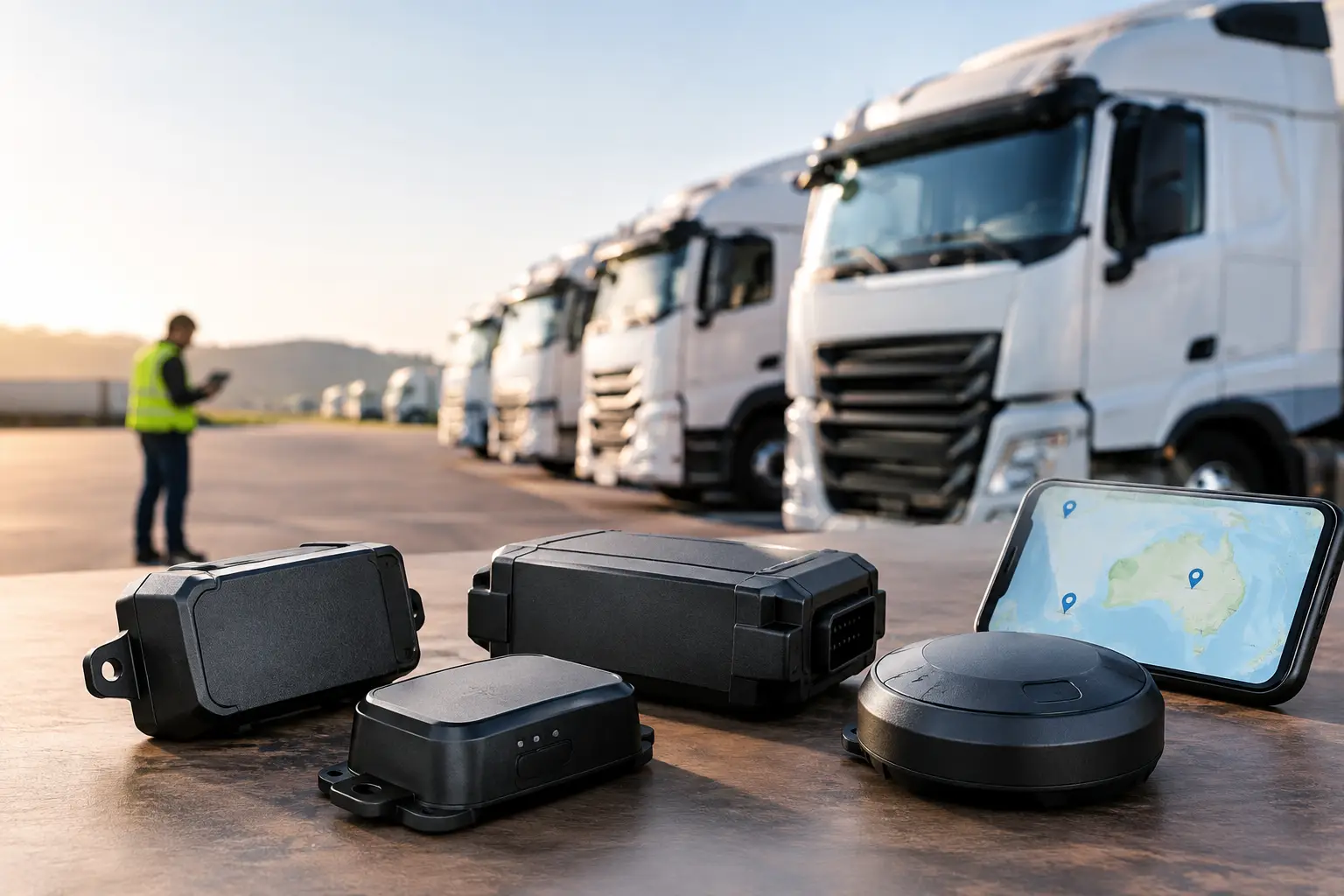
The best camera solution is one that works as part of the fleet’s broader technology and compliance environment. Assess the provider’s heavy-vehicle experience, local support capability, hardware ownership, installation standards, data security and ability to support the system after deployment.
Australian fleets should also consider what happens when a vehicle changes depot, a camera needs replacement, a driver challenges an event or an urgent technical issue occurs outside business hours. A supplier with local technical expertise and a clear support model can make the difference between a system that remains operational and one that becomes another unmanaged device in the cab.
Netcorp brings AI driver camera technology, telematics, heavy-vehicle compliance workflows and Australian-based support together within one fleet platform, helping operators manage safety events in the context of the whole operation.
A camera cannot make a tired driver rested. What it can do is give drivers, supervisors and safety leaders earlier visibility of risk - and a practical opportunity to make the next decision the safer one.