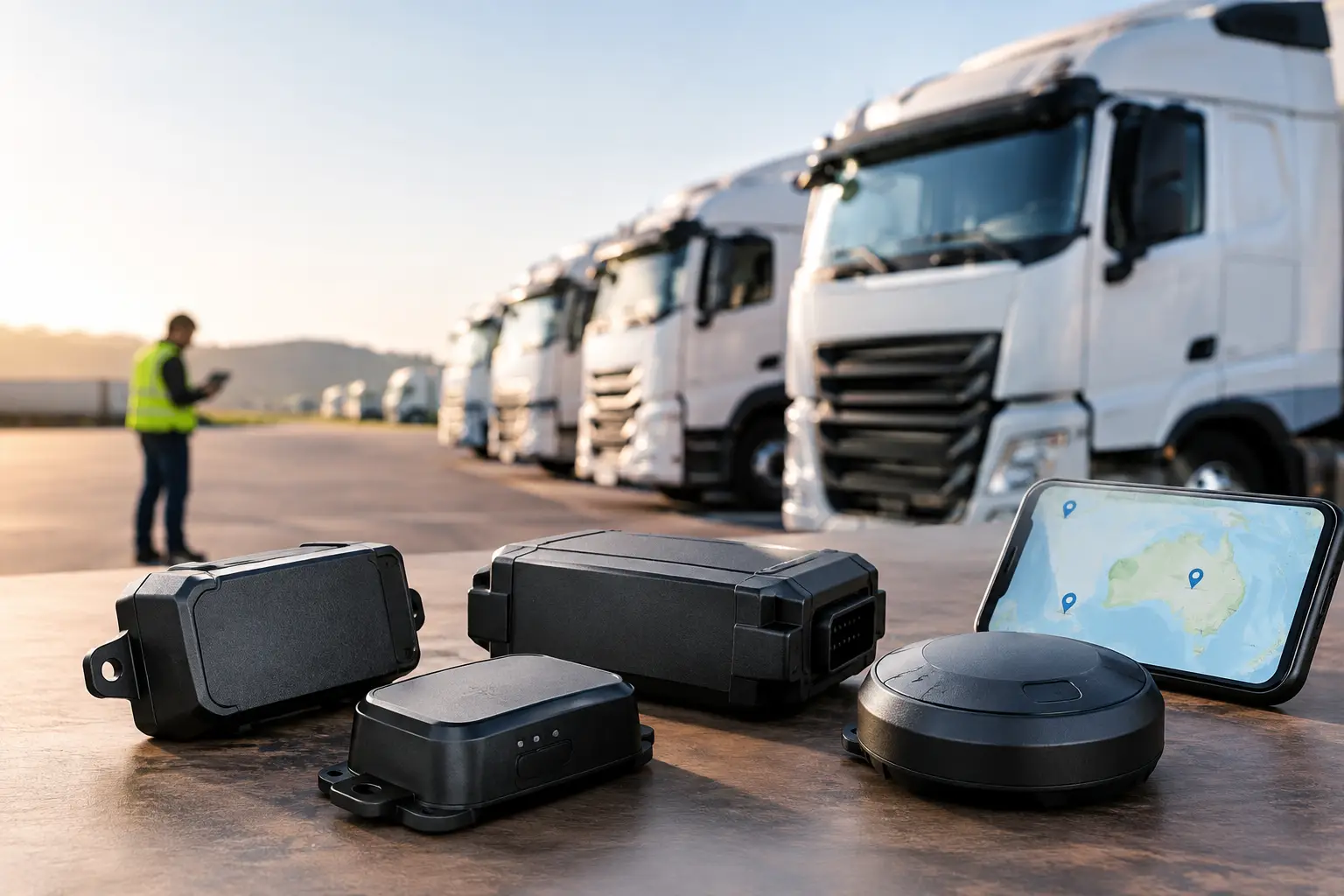
A vehicle camera can either provide footage after an incident or help prevent the next one. That is the practical difference fleet leaders need to assess when comparing AI cameras versus dashcams. Both have a place in Australian fleets, but they solve different operational problems and create different workloads for managers, drivers and safety teams.
A low-cost dashcam may appear to be the simple answer after a disputed collision. Yet for fleets managing heavy vehicles, waste collection runs, construction plant or time-critical concrete deliveries, the stronger question is whether the system can identify risk early enough to change the outcome.
AI cameras versus dashcams: the core difference
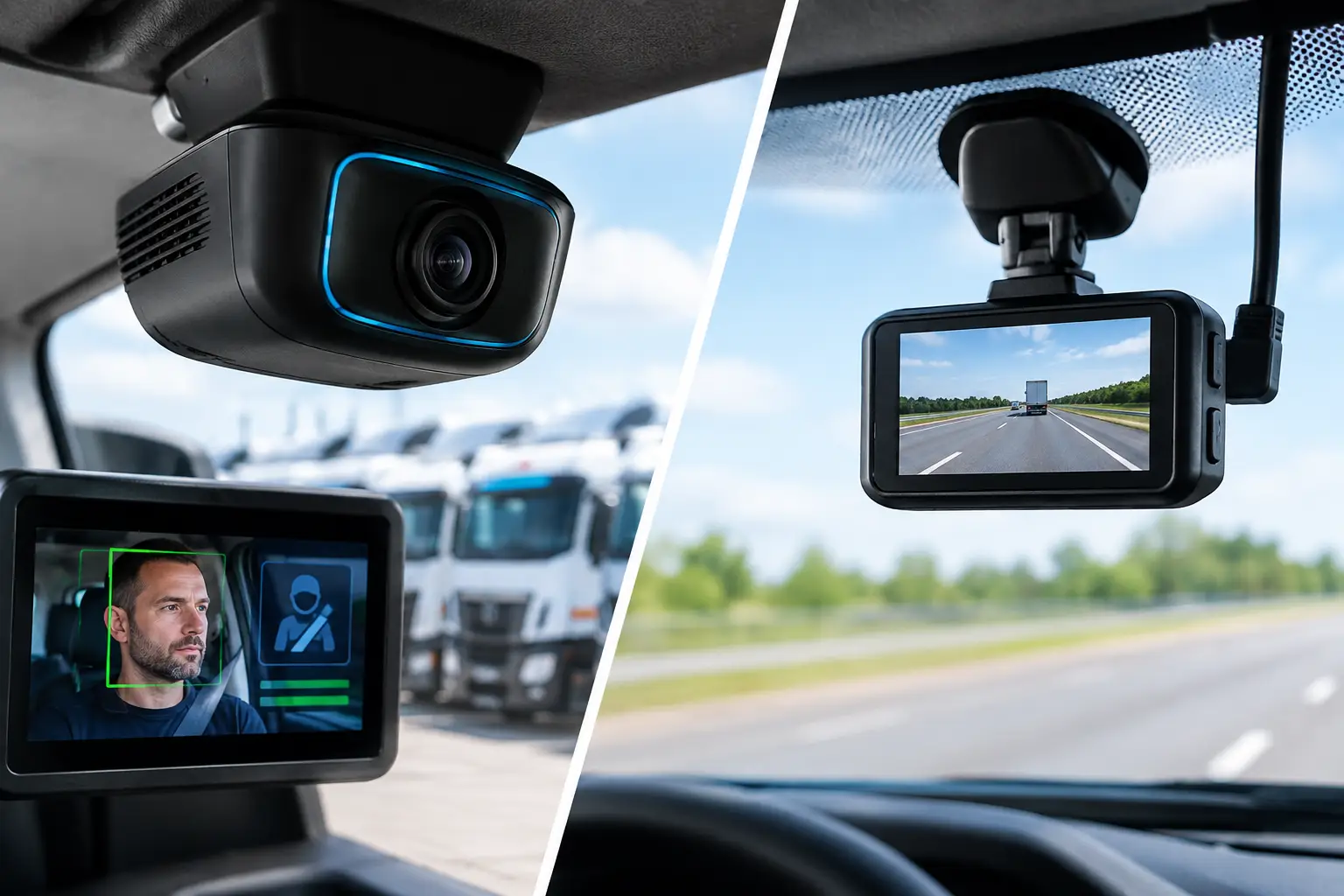
A conventional dashcam records video, usually from the windscreen and sometimes from a rear or cabin-facing view. When an event occurs, someone must locate the relevant recording, review it and decide what happened. This can be valuable evidence, particularly for insurance claims, incident investigations and resolving false allegations.
An AI camera also records video, but it uses on-device or platform-based analytics to recognise defined safety risks as they occur. Depending on the configuration, this can include fatigue indicators, mobile phone use, distraction, smoking, seatbelt non-use, harsh driving or an imminent forward collision risk. The system can issue an in-cab alert and send an event to fleet managers for review.
The distinction is not simply camera quality. A dashcam creates a video archive. An AI camera is designed to create a prioritised safety workflow around that video. For an operation with a small number of vehicles and infrequent incidents, a dashcam may be sufficient. For a larger or higher-risk fleet, manually reviewing hours of footage is rarely an efficient control.
What a dashcam does well
Dashcams remain useful fleet tools. They are generally straightforward to fit, familiar to drivers and well suited to documenting what happened on the road. Clear footage can protect a business when another road user makes an unfounded claim, when a driver is not at fault, or when an incident needs an objective record.
They can also support spot checks and driver education. A supervisor may review footage after a complaint about speeding, a harsh braking event or a near miss, then use the relevant clip in a coaching conversation. For some fleets, this retrospective process meets the immediate requirement without adding additional alerts, policies or data-management demands.
The trade-off is reliance on human review. Video only becomes useful when someone knows where to look, has the time to find it and applies a consistent process. That can be manageable for a handful of utes. It is much harder across hundreds of trucks, multiple depots, rotating drivers and long operating hours.
Dashcams also cannot reliably distinguish between routine driving and a meaningful risk event without another trigger. If footage is retained continuously, storage and retrieval can become a burden. If it is retained only around impact events, the business may miss the behaviour that led to the incident.
Where AI cameras change fleet safety management
AI cameras are most valuable when a fleet needs to move from investigation to intervention. Rather than asking a manager to search for risky behaviour, the system identifies selected events and presents them for review. This lets safety teams focus on exceptions instead of raw footage.
An in-cab alert is often the first benefit. A driver who looks down at a mobile, appears fatigued or follows another vehicle too closely can receive an immediate prompt to correct the behaviour. The purpose is not to catch drivers out. It is to provide a timely reminder while the risk can still be managed.
For managers, verified events create a clearer basis for coaching. A single event may need context: road conditions, traffic, a required work task or a false detection can all affect interpretation. Repeated events, however, may reveal a pattern requiring a conversation, refresher training, roster review or a broader fatigue-management response.
This is particularly relevant in heavy-vehicle operations. A distraction event in a passenger vehicle is concerning; the same event in a loaded combination, concrete agitator or waste truck operating around pedestrians has a far greater potential consequence. AI camera data can help operations direct attention to the drivers, routes and times of day where risk is emerging.
AI alerts are not a replacement for management
An AI system does not make a fleet compliant by itself. It must sit within clear policies, fair driver consultation, training, event-review processes and documented corrective actions. Alerts should be assessed by trained people, not treated as automatic proof of misconduct.
False positives and context matter. Sun glare, sunglasses, rough roads and unusual cabin conditions can affect detections. A well-run program uses sensible alert thresholds, reviews the video evidence and adjusts settings over time. Too many low-value notifications will cause alert fatigue; too few may leave serious risks unidentified.
Compare the operational requirements, not just the hardware price
The purchase price of a camera is only one part of the decision. Fleet managers should compare the full operating model: installation quality, connectivity, video retention, event review, driver communication, privacy controls, reporting and technical support.
A standalone dashcam can be inexpensive, but the labour required to download footage, match it to a vehicle and investigate an event may outweigh the initial saving. Conversely, an AI camera platform can require more planning and a higher upfront commitment, especially where fleets need multi-camera coverage, reliable mobile connectivity or integration with telematics.
The most effective systems connect video to the operational data already used by the business. When camera events are matched with vehicle location, speed, route, harsh braking, driver identity and work status, managers can understand the event in context. That supports defensible decisions rather than assumptions based on a short video clip.
For fleets subject to HVNL obligations, this connection is useful for demonstrating that safety risks are being monitored and addressed. It does not remove chain of responsibility duties or replace fatigue, maintenance and mass-management controls. It can, however, strengthen the evidence that the business has practical systems for identifying and responding to unsafe behaviour.
Privacy, trust and driver acceptance
Driver-facing cameras can raise legitimate concerns. The way a fleet introduces the technology will influence whether it becomes a trusted safety tool or a source of resistance. Be direct about what the system records, when footage is reviewed, who can access it, how long data is retained and how the business will respond to events.
The strongest message is supported by action: camera footage should protect professional drivers as well as hold people accountable. Drivers regularly face unpredictable road users, aggressive motorists and disputed incidents. Video evidence can establish what occurred and protect a driver from an unfair allegation.
Consultation should happen before deployment, not after cameras are installed. Include drivers, supervisors, safety representatives and relevant employee representatives in the rollout. Establish a clear policy covering authorised access, escalation, coaching, disciplinary processes and data security. Consistency matters. If one depot treats alerts as coaching and another uses them punitively, confidence will disappear quickly.
Which system is right for your fleet?
A dashcam may be the better fit where the primary requirement is incident evidence, the fleet is small, risk exposure is lower and a manager can realistically review footage when required. It can also be a sensible first step for businesses establishing a baseline camera policy.
AI cameras are better suited to fleets that need proactive driver-risk management, have high vehicle utilisation, operate heavy vehicles or face material exposure from fatigue, distraction and vulnerable road users. They are especially useful where manual video review would otherwise consume significant management time.
Many businesses ultimately need both functions in one solution: reliable video evidence plus intelligent event detection. The decision should be based on the consequences of a missed risk event, not only the cost of the device. A camera system that identifies a pattern before it becomes a serious incident can protect people, vehicles, contracts and the business reputation built around safe delivery.
Netcorp's approach is to connect AI driver camera technology with fleet telematics and operational workflows, so teams can review safety events alongside the information needed to act on them. The value is not the camera mounted on the windscreen. It is the disciplined process behind every alert, every coaching conversation and every safer trip home.