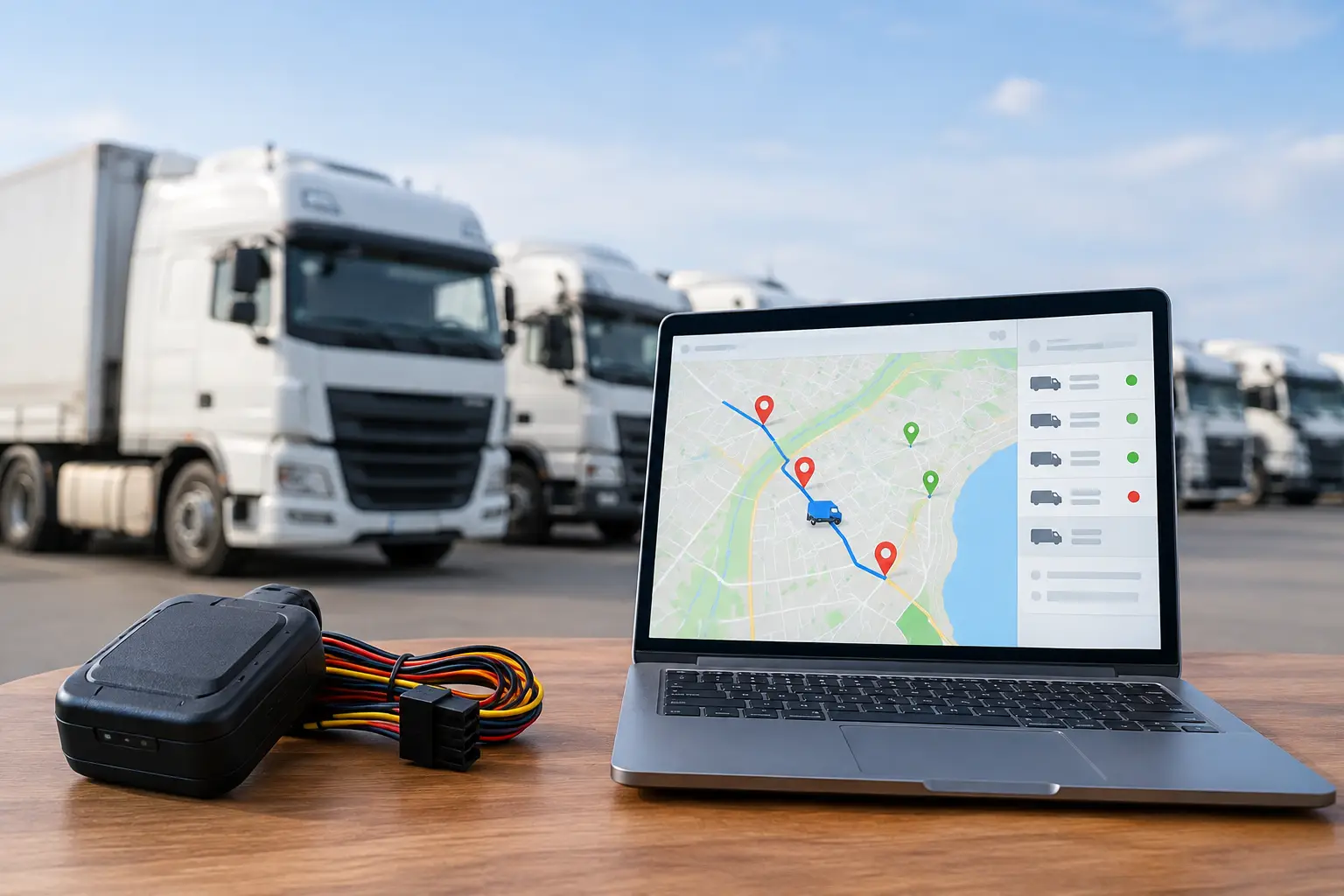
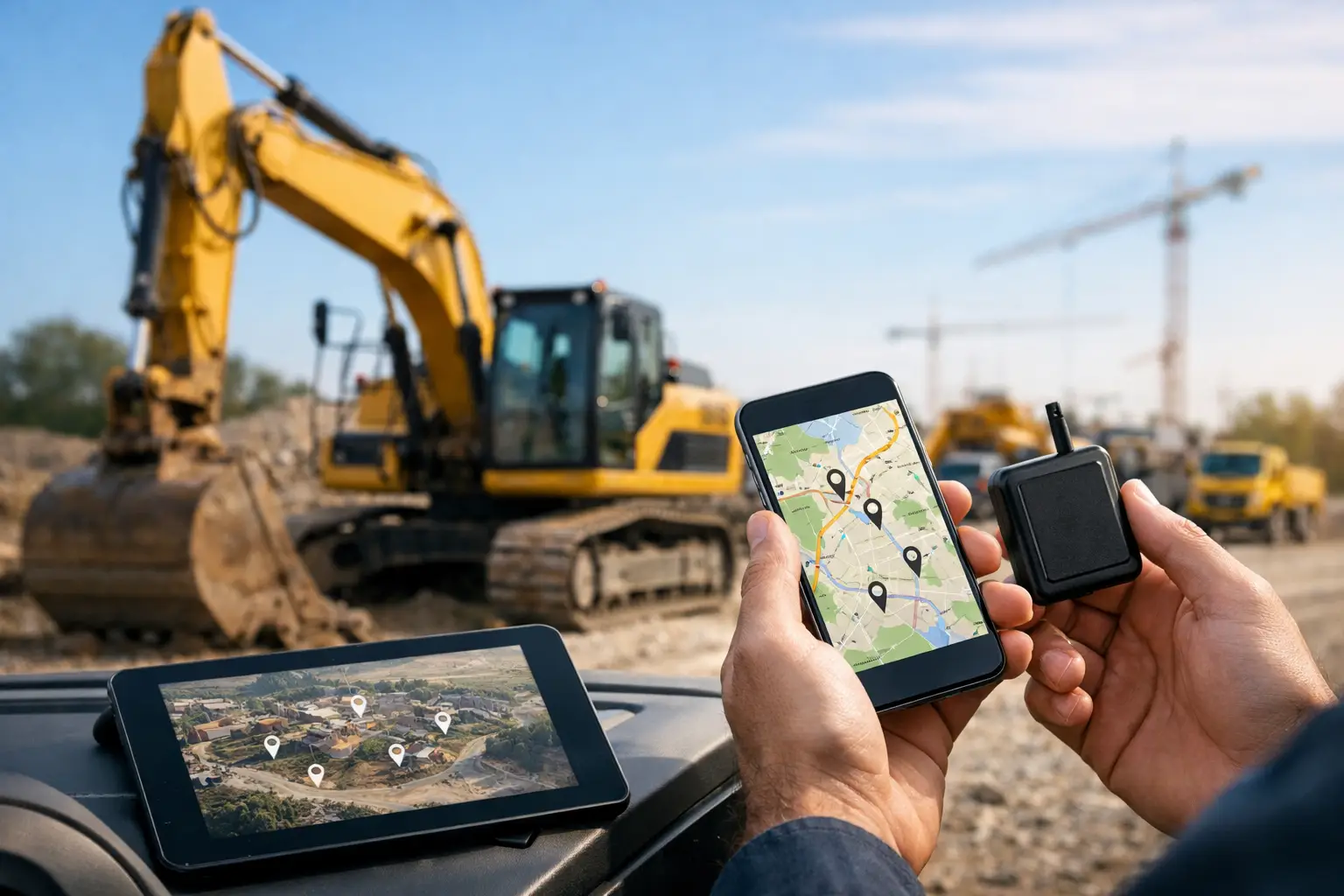
A skid steer missing from a civil site at 6 am can hold up an entire crew. An excavator left idling between tasks can quietly consume fuel, hours and maintenance life. Plant equipment GPS tracking gives operations teams the facts needed to act before these small losses become a weekly cost problem.
For construction, plant hire, quarrying, waste and government operations, the value is not simply a dot on a map. The right system establishes a reliable operational record: where an asset was, when it moved, whether it was working, how long it sat idle and whether it left an approved area. That visibility supports better dispatch, tighter asset control and clearer conversations with operators, subcontractors and customers.
What plant equipment GPS tracking should deliver
Plant is often managed across changing worksites, remote depots and temporary laydown areas. Unlike a linehaul truck, it may not have a regular driver, fixed route or daily return location. A tracking solution therefore needs to be built around asset activity, not just vehicle location.
At a practical level, operators should be able to see current location, movement history, operating hours, idle time and geofence activity from one fleet platform. The information needs to be current enough to support dispatch decisions, while historical reporting must be detailed enough to investigate a disputed charge, confirm site attendance or plan maintenance.
The most useful systems also distinguish between meaningful work and incidental movement. An excavator transported on a float should not be treated the same way as an excavator operating on site. Inputs from ignition, engine hours, power take-off, sensors or specialised hardware can add the context GPS coordinates alone cannot provide.
This is where cheap, battery-only trackers can fall short. They can be a sensible option for low-use attachments, temporary assets or equipment without an accessible power source. However, they may report less frequently, provide limited activity data and require a battery replacement plan. Hard-wired hardware generally offers richer reporting and a more dependable long-term record for high-value or heavily used plant.
The operating problems tracking can expose
Idle time that is hiding in plain sight
Idle time is often accepted as part of site work, but the reasons matter. Some idling is necessary for warm-up, queueing, safety checks or operating auxiliary equipment. Prolonged idling at a depot, outside shift hours or between short tasks is different. It increases fuel use, engine wear and emissions without moving work forward.
A plant tracking report helps managers separate normal operating conditions from avoidable waste. The goal is not to monitor every minute for its own sake. It is to identify recurring patterns, then address the cause - poor task sequencing, delayed materials, incorrect asset allocation or unclear shutdown expectations.
Assets in the wrong place
A crew waiting for a compactor while another site has one parked unused is a planning failure with a direct labour cost. Location and utilisation data allow coordinators to allocate equipment based on evidence rather than phone calls and assumptions.
This becomes particularly valuable for plant hire businesses. Confirmed arrival and departure times support accurate charging, while utilisation history helps identify equipment that is being held on site but not earning its keep. It can also show where demand is consistently outstripping available fleet capacity.
Unauthorised use and security exposure
Plant theft is rarely a simple event. Equipment can be moved after hours, taken from a site boundary, or used without approval before anyone notices. Geofences create an immediate control point by alerting nominated staff when an asset enters or exits a defined area.
Geofencing is not a replacement for locks, keys, site access controls or recovery processes. It is an additional layer that improves response time and provides a documented movement trail. Alerts must be configured carefully, however. A geofence that generates alarms for authorised float movements or nearby yard activity will quickly be ignored.
Maintenance planned by guesswork
Many plant assets are serviced on calendar dates even when their real workload varies significantly. Engine hours and operating time can support a more accurate maintenance schedule, helping workshops prepare parts, book downtime and avoid sending equipment to site with overdue service requirements.
GPS tracking will not diagnose every mechanical issue. It does provide the usage record that makes maintenance planning more disciplined. When combined with inspection workflows and pre-start records, it helps create a clearer chain from operator checks to workshop action.
How to implement plant equipment GPS tracking properly
The installation is only one part of the job. The operational design behind it determines whether the system becomes a daily management tool or another login nobody checks.
Start by classifying assets according to their value, use pattern and available power. High-value, mobile plant such as excavators, loaders, rollers and elevated work platforms usually justify hard-wired tracking with frequent reporting and activity inputs. Smaller equipment and attachments may suit compact battery-powered devices, provided the reporting interval and battery life meet the operational requirement.
Next, define the decisions the data must support. For example, a construction business may need site arrival verification, after-hours movement alerts, engine-hour service triggers and weekly idle reporting. A plant hire company may prioritise proof of delivery, utilisation by customer, unauthorised movement and recovery support. These are different configurations, even if the hardware is similar.
Geofences should reflect real operating locations: depots, active projects, customer yards, refuelling points and maintenance facilities. Use alert rules that match the people expected to respond. An after-hours movement alert sent to a 24/7 control point has value. The same alert sent to a supervisor who is off shift may not.
Finally, establish who owns the reporting cadence. Daily exceptions should go to dispatch or fleet control. Weekly utilisation and idle trends belong with operations managers. Maintenance teams need engine-hour and inspection information early enough to organise service windows. Without defined ownership, valuable data can remain visible but unused.
Integrating tracking with compliance and fleet operations
Plant rarely operates in isolation. It is transported between sites, refuelled by field teams, inspected by operators and sometimes used alongside heavy vehicles subject to strict compliance obligations. A fragmented set of apps can create duplicated data entry and competing versions of the truth.
An integrated platform makes it easier to view plant, trailers, trucks and support vehicles in the same operating picture. This matters when scheduling float movements, checking whether a service ute has reached a breakdown, or confirming the equipment assigned to a project is actually on site.
For businesses with heavy-vehicle obligations, plant data can also support more reliable planning around transport movements, driver availability and site access. It should complement, rather than replace, the specific tools required for fatigue, electronic work diaries, mass management, vehicle inspections and other HVNL obligations.
Australian delivery and support are relevant here. Complex fleets need hardware installed correctly, reports configured around real workflows and technical support available when an asset stops reporting from a remote site. Netcorp provides an end-to-end Australian platform and locally supported hardware across fleet, plant and machinery, helping operators avoid the hand-offs common with disconnected systems.
Measuring whether the investment is working
The first measure should not be the number of assets fitted with devices. Track the operational outcomes that justified the rollout. Depending on the business, that may include fewer hours of unexplained idling, higher utilisation of hired or owned plant, reduced time spent locating equipment, improved service compliance, fewer after-hours movements or faster response to theft events.
Set a baseline before implementation where possible. If managers cannot state how many engine hours a loader records each month, how often plant is moved between sites, or how long crews spend locating assets, it will be difficult to prove improvement later. A three-month comparison is often more useful than a single week because site activity can change significantly with weather, project stages and customer demand.
There are trade-offs. More frequent location updates can improve visibility but may increase data use and battery demand for standalone devices. Tighter alerts can improve security but may create noise. Detailed reporting offers greater insight, but only if managers have time and authority to act on it. The best configuration is the one that supports a clear operational decision.
Plant equipment is expensive to buy, costly to maintain and difficult to replace when a project is already underway. Treat tracking as part of the operating system around that asset, not a standalone security device. When location, hours, alerts and accountability are used consistently, every machine becomes easier to deploy, protect and keep productive.