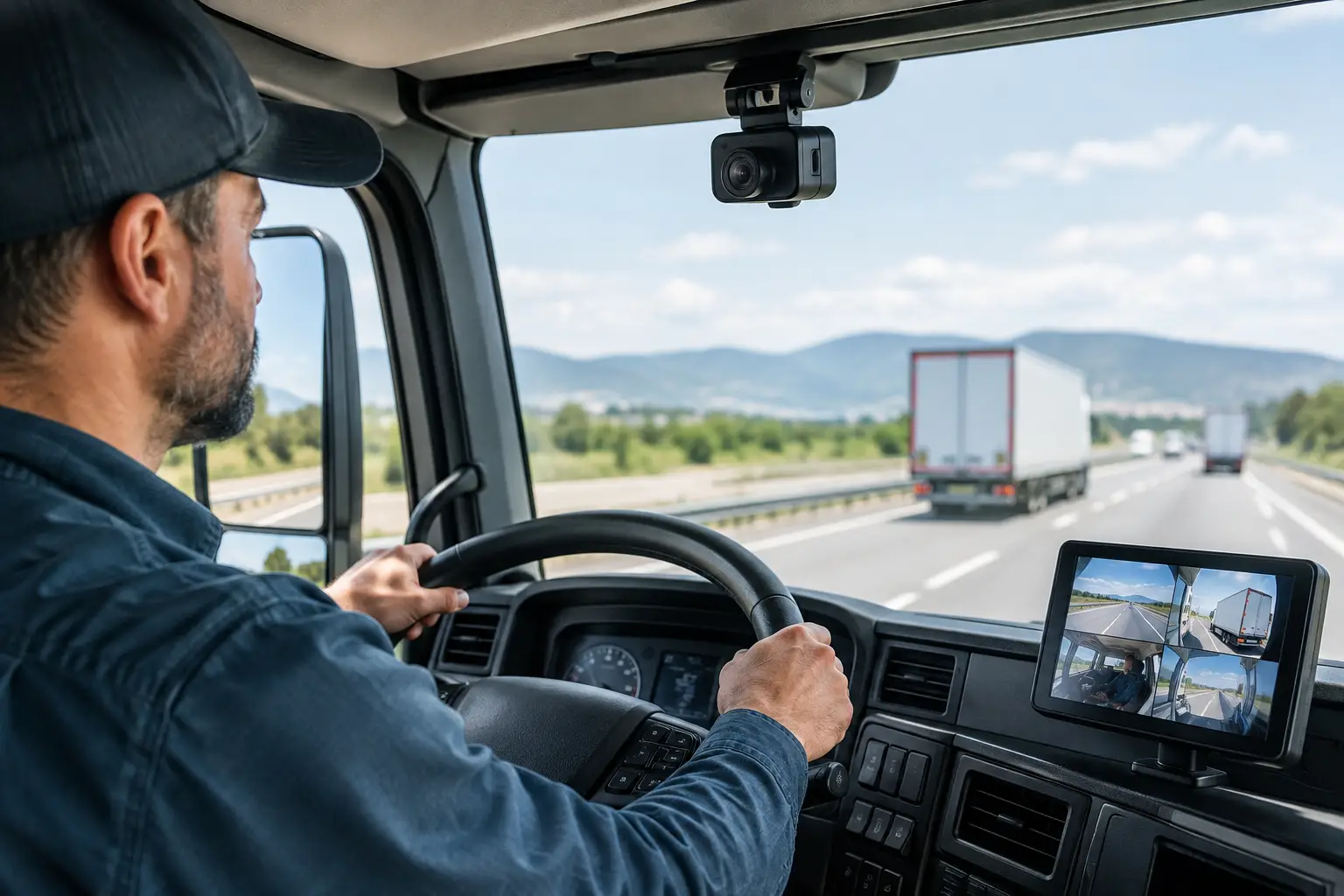

A concrete agitator waiting at the wrong site, a hired excavator left idle for three days, or a trailer disconnected without a record can quickly become a costly operational problem. Knowing how to track mobile assets means more than seeing a dot on a map. It means knowing what is moving, where it is, who is responsible for it, whether it is being used productively and whether it is operating within policy.
For Australian fleet operations, effective asset tracking combines suitable in-vehicle or battery-powered hardware with a platform that turns location data into practical decisions. The right approach varies between trucks, trailers, plant, bins, marine vessels and light vehicles, but the operating principles remain consistent.
Start with the operational question
Before selecting devices or software, define the decisions the system needs to support. A transport operator may need verified arrival, departure and route information. A construction business may need to locate plant across multiple sites and reduce unauthorised after-hours use. A waste operator may need evidence that a route or service point was completed. A compliance manager may need a defensible record of vehicle activity, driver hours and pre-start checks.
Location alone rarely solves these requirements. The more useful question is: what event do we need to verify? That might be engine start, PTO use, asset movement, site entry, load activity, excessive idle time or an out-of-hours trip.
This distinction prevents a common mistake: deploying basic GPS units to solve a workflow problem that needs additional inputs, tailored alerts or driver identification. It also helps define what success looks like, whether that is higher utilisation, fewer unauthorised movements, reduced overtime or stronger audit evidence.
Choose the right tracking method for each asset
A mixed fleet should not be treated as one tracking problem. Power source, duty cycle, environment and the level of detail required all affect the hardware choice.
Hard-wired telematics for powered vehicles
Hard-wired GPS telematics is generally the best option for trucks, utes, buses, agitators and other powered assets operating regularly. It can provide frequent location updates while also capturing ignition status, engine data, driving behaviour and connected inputs such as a PTO, door sensor or panic button.
For heavy vehicles, the value can extend beyond visibility. When configured properly, telematics can support fatigue workflows, route review, speed management, vehicle inspections and evidence for HVNL-related processes. The device should be professionally installed and matched to the vehicle type, especially where CAN data, auxiliary equipment or compliance functions are required.
Battery-powered tracking for trailers and plant
Trailers, attachments, generators, pumps and some plant may not have reliable power available. Battery-powered asset trackers are designed for these applications and can report at scheduled intervals, when movement is detected, or more frequently while the asset is in transit.
There is a trade-off between reporting frequency and battery life. An asset that only needs a daily location check can operate differently from a trailer exposed to theft risk or frequent movements. For high-value mobile plant, movement-based alerts and more frequent reporting are often worth the additional battery demand.
Satellite tracking for remote operations
Mobile assets operating beyond reliable mobile coverage need a different communications plan. Remote construction, mining, pastoral and marine operations may require satellite-capable tracking or hardware that stores data until coverage returns.
Satellite reporting can cost more than standard mobile-network communication, so it should be configured around genuine operational risk. A low-value asset may only need periodic position reports, while a remote service vehicle or vessel may justify regular check-ins and emergency communication capability.
Build a reliable asset register before deployment
Tracking technology only delivers clean reporting when the underlying asset data is accurate. Create a central register that records the asset name, type, registration or serial number, owning business unit, primary operator, site or depot, and tracking device identifier.
For fleets with similar trailers, machines or bins, use a naming convention that makes sense to dispatchers and supervisors. A generic device label is not useful when someone needs to identify the exact asset at 5.30 am. Include practical details such as capacity, equipment class or work group where they affect allocation decisions.
The register should also identify whether an asset is owned, leased, hired or subcontracted. This matters when reconciling hire charges, managing maintenance responsibility and responding to a missing asset. Review it whenever assets are acquired, sold, transferred or taken out of service. A tracking platform cannot compensate for an asset register that has fallen behind reality.
Configure events, geofences and alerts around real work
The most effective tracking systems are configured around operational locations and exceptions, not just maps. Set geofences around depots, customer sites, projects, quarries, transfer stations, loading zones and approved parking locations. A geofence can record arrival and departure automatically, giving the operations team a time-stamped activity record without relying solely on manual updates.
Alert settings should be selective. Too many notifications create alarm fatigue and encourage staff to ignore the events that matter. Start with exceptions that require action: unauthorised after-hours movement, entry into a restricted area, extended idling, towing without approval, speeding in a high-risk zone, or a plant item leaving a project boundary.
For concrete, waste and construction fleets, activity inputs can add another layer of value. Tracking an agitator or collection vehicle is useful, but knowing when relevant equipment is active helps validate the work performed. The exact configuration depends on the equipment and workflow, so it should be designed with the people who schedule, dispatch and maintain the fleet.
Make driver and operator accountability practical
An asset location record does not always identify the person operating it. Driver identification methods, such as tags, key fobs, mobile sign-on or integrated log-in processes, connect vehicle activity to an accountable operator.
This supports fairer coaching and more accurate incident review. It also reduces the risk of assigning an alert or infringement to the wrong person when vehicles are shared across shifts. In heavy-vehicle environments, driver identity can support a more complete view of fatigue, inspections, safety events and compliance records.
However, accountability should not be framed as surveillance for its own sake. Explain what is tracked, why it is tracked, who can access the information and how it will be used. Clear policy, consultation and consistent application are essential. The objective is safer, better-managed work, not a flood of low-value reports.
Turn tracking data into daily operating discipline
A fleet tracking platform is most valuable when it becomes part of the daily rhythm of operations. Dispatch teams can use live status to allocate the nearest suitable asset. Supervisors can investigate delays using actual arrival and departure times. Maintenance teams can see whether an asset has been stationary long enough for planned work, rather than pulling it off a job unnecessarily.
Weekly reviews should focus on trends that can be changed. Repeated idle time may point to site congestion, poor scheduling or driver behaviour. Unproductive travel may indicate inefficient allocation. Regular after-hours movement may reveal weak key control, incorrect geofence settings or a genuine roster pattern that needs to be formally approved.
Avoid judging performance from a single metric. High kilometres may be productive for one operation and wasteful for another. Low utilisation could indicate excess fleet capacity, but it could also be a deliberate contingency requirement for a critical service. Combine location data with job volumes, maintenance records, labour information and customer commitments before making major decisions.
Connect asset tracking to maintenance and compliance
Mobile asset tracking should not sit in isolation from maintenance or compliance processes. Odometer and engine-hour data can help plan servicing based on actual use rather than calendar estimates. Fault reports and pre-start checks can be linked to individual vehicles or plant items, giving maintenance teams a clearer priority list.
For regulated fleets, integrated workflows reduce duplicate entry and improve audit readiness. Vehicle movement, driver activity, inspection evidence and compliance events are stronger when they are held in a controlled system rather than scattered across paper forms, spreadsheets and separate applications.
This is where an end-to-end platform can reduce technology ownership risk. Netcorp combines locally supported fleet telematics, hardware and heavy-vehicle compliance capability so operators can manage vehicles, trailers, plant and related workflows without stitching together disconnected systems.
Measure the result and refine the configuration
Set a baseline before rollout. Measure current utilisation, idle time, overtime, unauthorised use, recovery time for misplaced assets, site turnaround or maintenance compliance. Review performance after the initial deployment period, then adjust reporting intervals, alerts and geofences based on actual use.
The first configuration is rarely the final one. A new project, seasonal demand, changed customer locations or a revised fatigue policy can all alter what needs to be monitored. Regular refinement keeps tracking relevant and protects the value of the investment.
Effective asset tracking gives operations teams facts they can act on before a delay, safety issue or missing machine becomes expensive. Begin with the decisions your people need to make each day, then build the technology and workflows to support them.