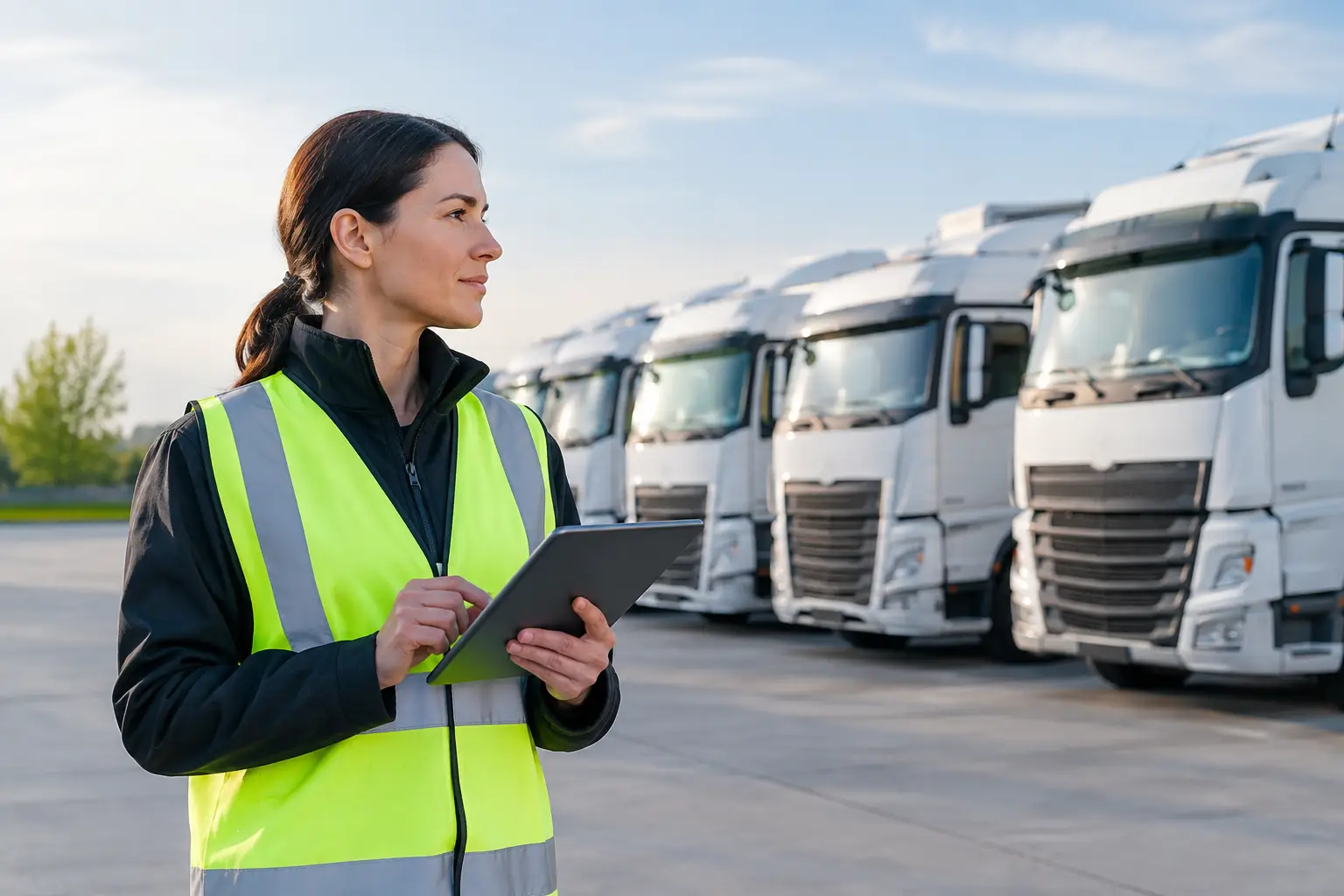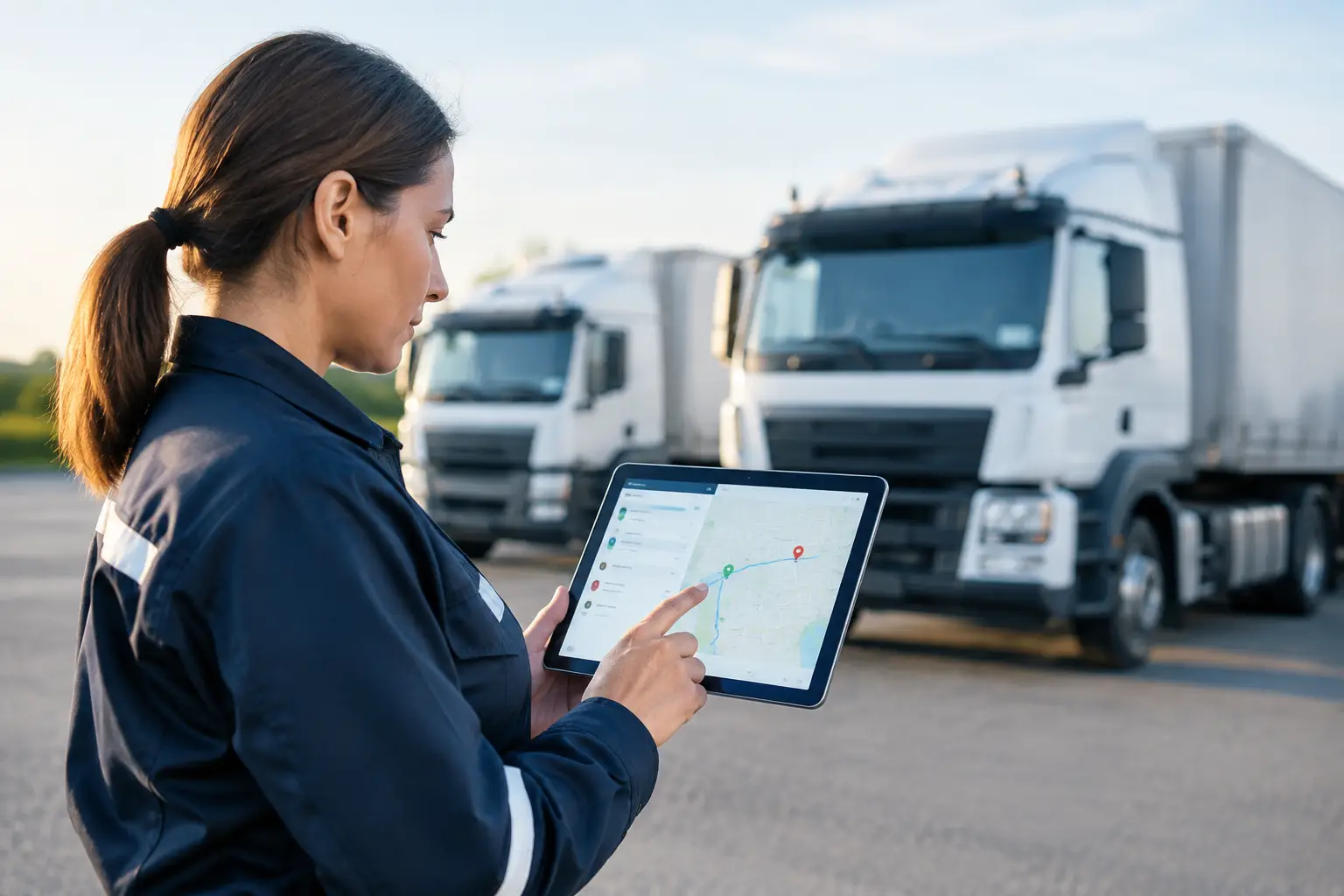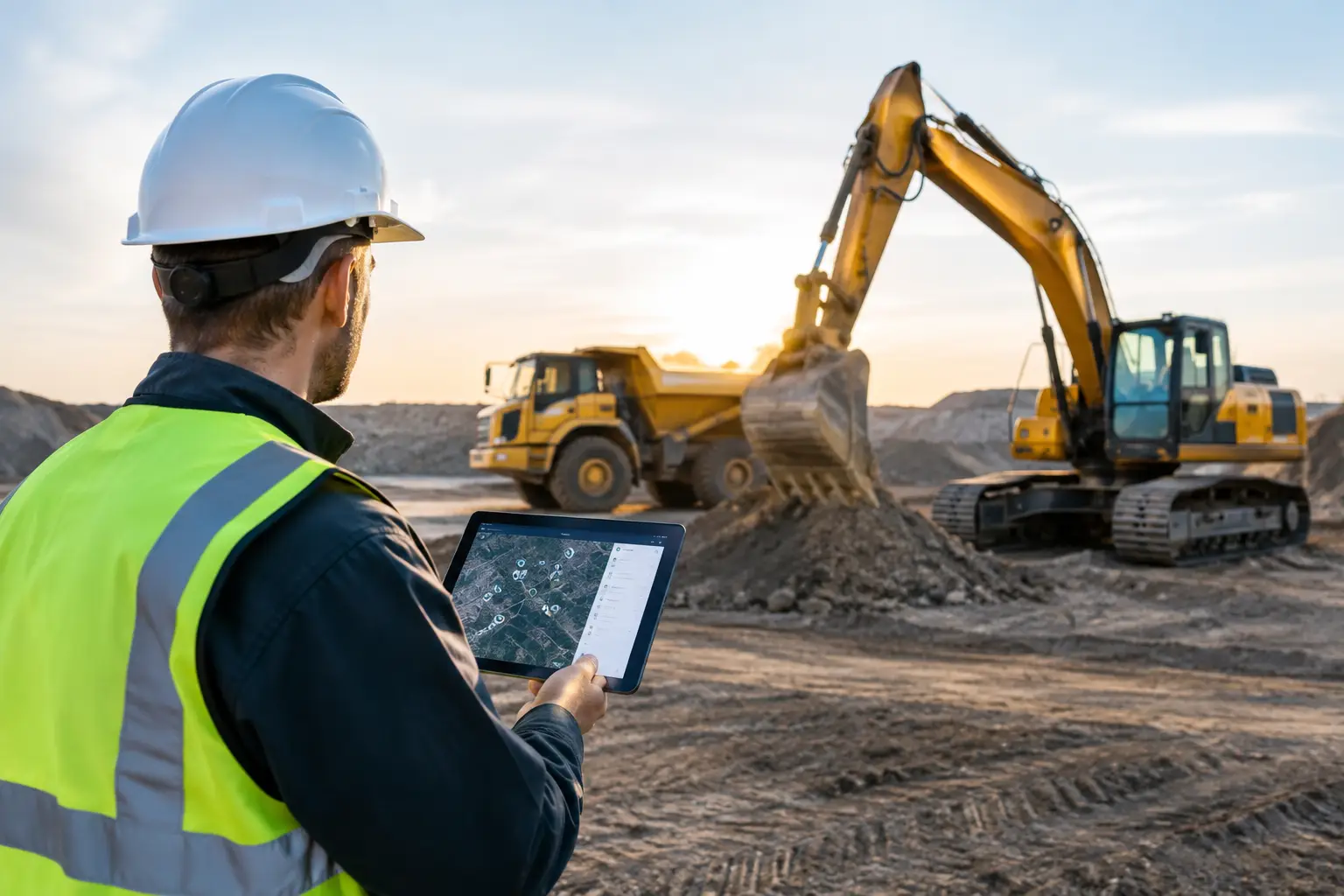
A harsh braking event on a suburban delivery run can mean very different things: a distracted driver, a vehicle cutting in, a pedestrian stepping onto the road, or a genuine mechanical issue. AI driver camera systems give fleet teams the context needed to respond correctly, rather than relying on a single telematics alert or an assumption made after the fact.
For Australian fleet operators, that context has practical value. It can support safer decisions on the road, fairer driver conversations, defensible incident reviews and earlier intervention before a risky habit becomes a serious event. The strongest results come when cameras are treated as part of an operational safety system, not as an isolated surveillance tool.
What AI driver camera systems actually do
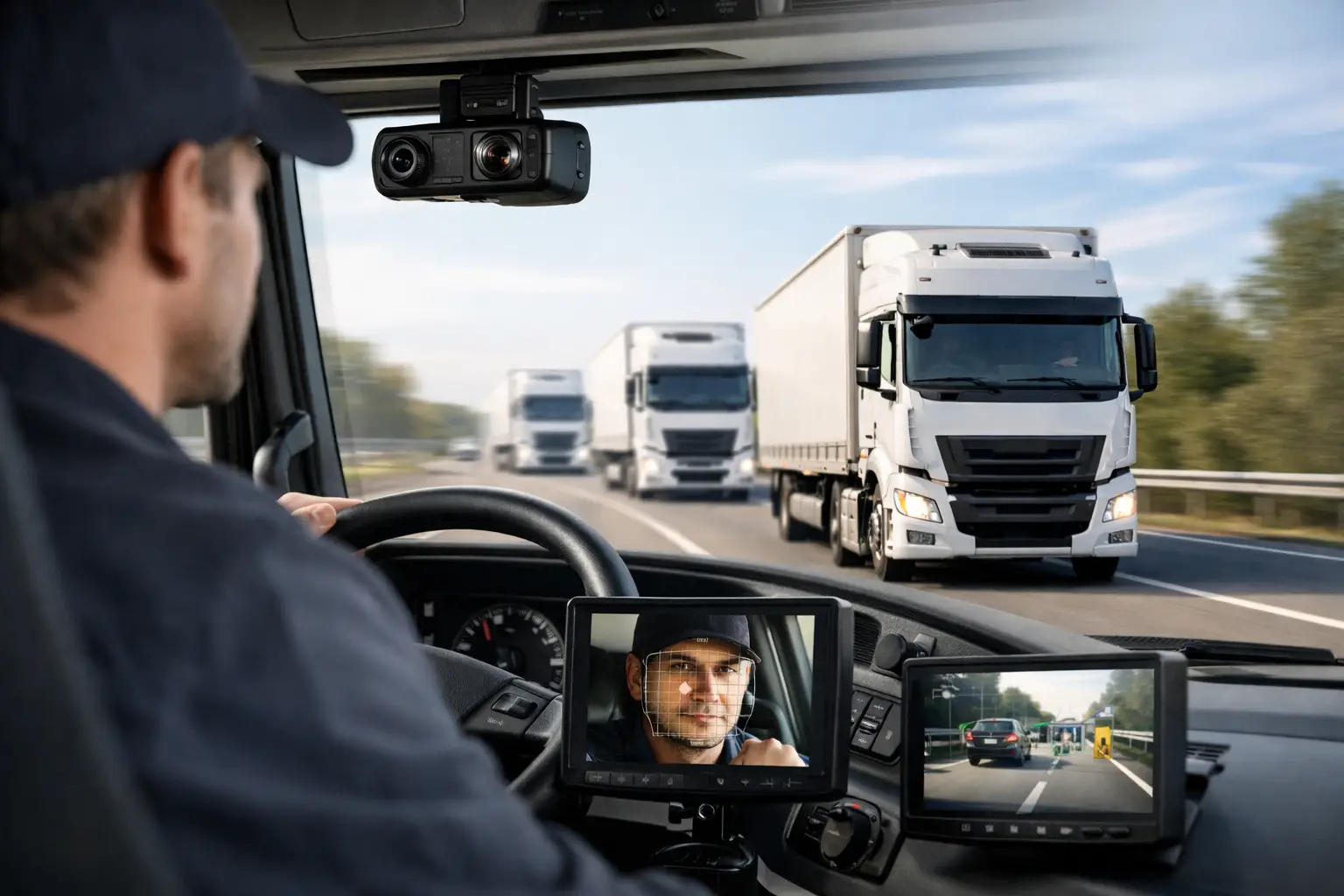
An AI-enabled camera uses computer vision to assess what is occurring inside and around a vehicle. Depending on the configuration, it may detect signs of driver distraction, mobile phone use, smoking, fatigue indicators, seatbelt non-compliance, harsh manoeuvres, tailgating or forward-collision risk. Road-facing footage can provide an account of traffic conditions, lane position, following distance and the actions of other road users.
When the system identifies a relevant event, it can record video and send an alert to the fleet platform. Safety teams can then review a short event clip alongside speed, location, vehicle data and time of day. This is a material improvement on manually searching through hours of footage after an incident.
The key distinction is that AI helps prioritise review. It does not replace human judgement. A camera may detect that a driver looked away from the road, but the reviewer still needs to assess duration, road conditions and whether the alert represents an actual safety concern. A well-managed system reduces noise and directs attention to events that warrant action.
Why context matters for fleet safety
Traditional GPS tracking can show a speeding alert or harsh brake event. That information is useful, but it seldom explains why the event occurred. Video and AI event data can show whether the driver was following too closely, responding appropriately to a hazard, or forced to brake by another vehicle.
This context changes the quality of coaching. Instead of telling a driver that they triggered three harsh braking alerts, a manager can discuss one verified event and agree on a practical correction. That may be increasing following distance in wet conditions, placing the mobile out of reach before departure, or taking a break before fatigue becomes apparent.
It also protects drivers when they are not at fault. A clear recording can help establish that a third party cut across a truck, reversed unexpectedly near plant, or made an unsupported allegation. For fleets operating in construction, waste, concrete, government services or heavy transport, that evidence may be valuable for insurance, customer discussions and internal investigations.
A safety tool must be used fairly
Driver acceptance is not a side issue. If crews believe cameras exist only to catch them out, they may resist the rollout and management may receive more conflict than safety improvement. Clear policy is essential: explain what is recorded, which behaviours trigger review, who can access footage, how long it is retained and how it will be used.
The most credible programmes make a distinction between coaching, recognition and formal performance management. A low-level, isolated alert may call for a conversation or refresher training. Repeated high-risk behaviour, particularly after coaching, may require escalation under an established workplace process. The footage should inform that process, not substitute for it.
Privacy also needs careful handling. Cameras should be configured for the operational risk being managed, with appropriate user permissions and retention settings. Fleet operators should seek employment, privacy and industrial-relations advice relevant to their circumstances, particularly where in-cab recording or audio is being considered.
Where AI camera data delivers operational value
The immediate objective is often reducing collisions and risky driving. However, camera events can support broader operating disciplines when they are connected to the fleet platform and reviewed consistently.
For a heavy vehicle fleet, fatigue-related alerts can be assessed alongside journey duration, work and rest records, route conditions and dispatch pressures. For a waste collection operation, footage may help review reversing practices in residential streets and depot areas. A concrete fleet can use event evidence to understand whether time-critical scheduling is contributing to unsafe driving behaviours. Plant and machinery operators may use camera coverage to review high-risk interactions between people and mobile equipment.
The value is not in collecting more data for its own sake. It is in identifying patterns that a supervisor can change. If distractions are concentrated at the end of long shifts, the response may involve fatigue controls and scheduling. If forward-collision alerts occur on one route, route planning or delivery windows may need review. If a particular driver needs support, targeted coaching is more effective than a generic toolbox talk.
Integrate cameras with the systems teams already use
A separate camera portal creates unnecessary work. Reviewers should not have to reconcile vehicle identity, driver details, GPS history and video across several disconnected systems every time an alert occurs.
An integrated setup brings camera events into the same operational view as live location, route history, driver behaviour, asset activity and compliance information. This gives managers a clearer sequence of events and reduces the time required to investigate. It also improves accountability because actions, notes and follow-up can be managed through a defined workflow.
For fleets with NHVR, HVNL or fatigue-management obligations, camera data should complement formal compliance records rather than be treated as a replacement. Video may identify a risk that requires investigation, while electronic work diaries, pre-start checks, mass records and maintenance information each provide their own evidence. One platform makes those connections easier to manage.
Selecting the right camera configuration
There is no single configuration that suits every fleet. A line-haul operator travelling long distances on highways may prioritise driver monitoring and forward-facing risk detection. A civil contractor operating in constrained worksites may need additional external views to manage blind spots and vehicle interactions. A local service fleet may place greater emphasis on incident evidence and mobile phone detection.
Before selecting hardware, define the operating risks. Consider vehicle type, duty cycle, operating environment, connectivity, cab layout, night work, exposure to dust and vibration, and whether equipment is shared between drivers. Heavy-duty hardware and professional installation matter, particularly where vehicles operate off-road, on worksites or across regional Australia.
Ask practical questions about event accuracy, video quality in low light, storage, upload behaviour and mobile-network use. The system should allow teams to retrieve usable footage after an event without creating excessive data costs or delays. It should also have a sensible approach to alerts. Too many low-value notifications can cause alert fatigue and reduce attention to genuinely serious risks.
Support matters after installation as well. Camera positions can shift, driver IDs may need adjustment, policies evolve and managers need help interpreting event data. An Australian provider with local deployment capability and ongoing technical support can be especially valuable when a fleet operates across multiple depots or has limited internal IT resources.
Build a camera programme that drivers and managers will use
Start with a pilot involving a representative group of vehicles, routes and drivers. Measure baseline events, review the alert quality and test the process for assigning, investigating and closing out incidents. A pilot should confirm more than whether the camera works. It should show whether supervisors have the time, training and authority to act on what it identifies.
Set clear review priorities. Serious events such as apparent fatigue, mobile phone use, collision risk or major incidents should be assessed promptly. Lower-level events can be trended over time, so managers focus on repeated patterns rather than treating every trigger as a disciplinary matter.
Train managers in constructive coaching. The aim is to establish safer habits, not to conduct a replay of every mistake. Use the footage to discuss what the driver saw, what options were available and what could be done differently next time. Recognising consistently safe driving helps demonstrate that the programme is balanced.
Netcorp’s Australian-designed fleet technology can bring AI camera events, telematics and compliance workflows into one operational environment, backed by a Sydney-based team and 24/7 support. For complex fleets, that end-to-end ownership can reduce the gaps that emerge when hardware, software and support sit with different providers.
The best next step is to identify one preventable risk that is costing your operation time, claims exposure or safety confidence, then design the camera workflow around it. When every event has a clear owner, a fair review process and a practical follow-up action, the technology becomes part of safer everyday operations rather than another screen for the control room.