A trailer can leave the depot in the morning, be handed between drivers, parked at a customer site and return days later without anyone being fully certain where it has been or how long it sat idle. For fleet operators, a trailer tracking device Australia solution is not simply a theft-recovery measure. It is a practical control for assets that generate revenue only when they are available, compliant and connected to the right job.
Unlike powered vehicles, trailers do not always report a constant stream of information through an ignition circuit. They can be uncoupled, parked in low-coverage areas, moved by subcontractors or left at a worksite for extended periods. Selecting the right tracking approach means looking beyond a location dot on a map and assessing how the device will perform in the conditions your operation actually faces.
Why trailer visibility is an operational issue
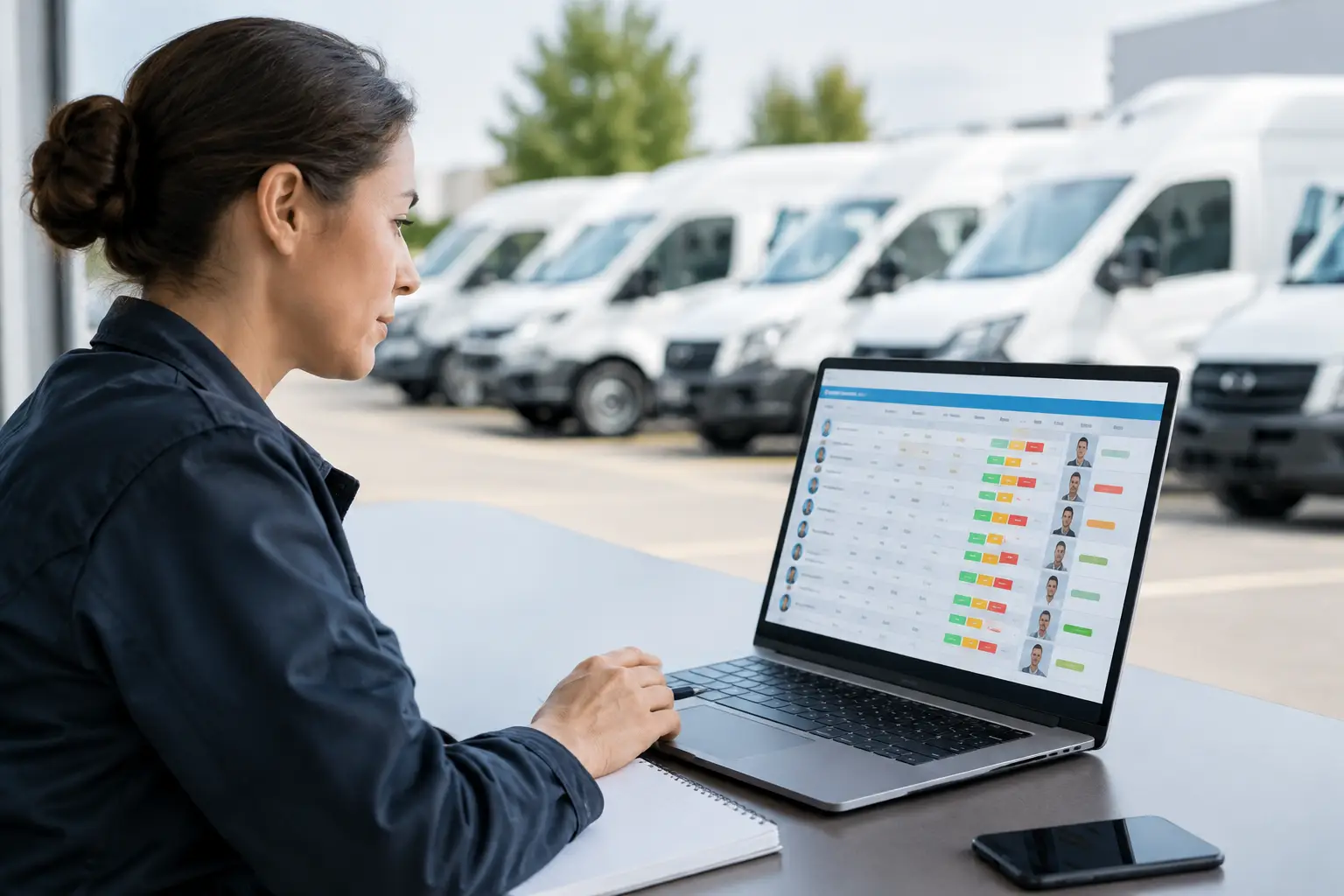
For transport, construction, waste, plant hire and government fleets, trailers are often among the least visible assets in the yard. That creates avoidable friction. Dispatchers spend time calling drivers to locate equipment. Maintenance teams cannot easily confirm which trailers are due for inspection. Managers may hire replacement equipment while owned assets sit unused at a customer site or satellite depot.
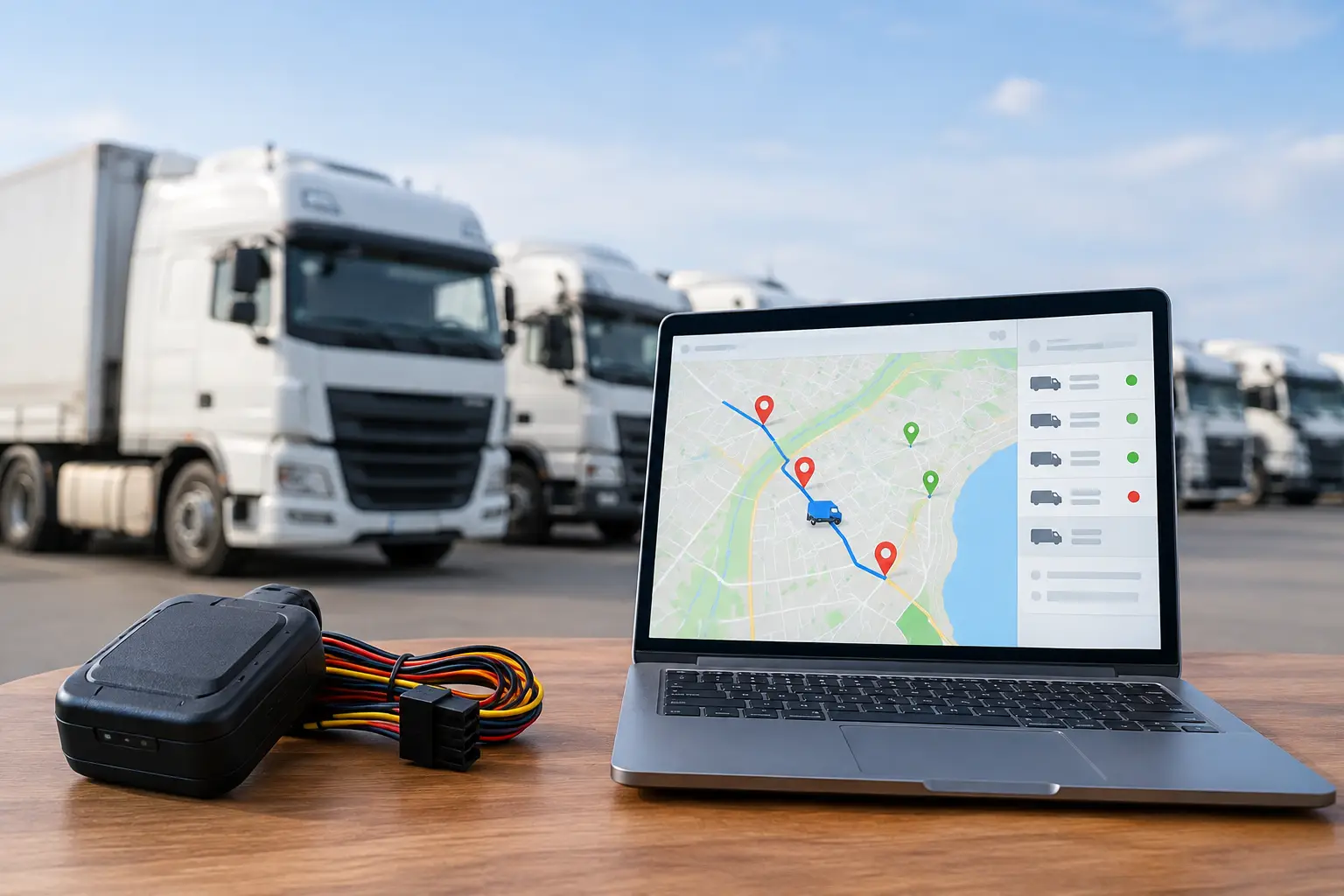
A well-configured trailer tracking system provides a current or last-known location, movement history and utilisation data. With geofencing, it can also record when an asset enters or leaves a depot, project site, customer location or unauthorised area. Those records replace assumptions with evidence.
The value is particularly clear where a trailer changes hands regularly. A concrete operation may need to confirm the movement of specialised equipment between plants and jobs. A civil contractor may need to locate plant trailers across multiple project sites. A heavy transport operator may need to match trailers to prime movers and loads while maintaining a reliable maintenance history.
What a trailer tracking device in Australia should deliver
The best device is not automatically the one with the longest feature list. It is the one that supplies dependable data at the reporting frequency, power profile and operating cost suited to the asset.
Reliable location reporting without vehicle power
Many trailers are unpowered, so a tracking device needs an appropriate independent power source. Battery-powered units are often suitable for trailers that move periodically and need a straightforward retrofit. Solar-assisted units can be a strong option for equipment exposed to regular daylight and operating for long periods away from a depot. Hardwired devices may suit trailers with an accessible, stable electrical system and frequent activity.
Each option carries a trade-off. More frequent reporting improves movement visibility but uses more battery capacity. Less frequent reporting extends device life but may leave a longer gap between location updates. The right balance depends on whether the trailer is a high-value asset moving daily or a specialised unit that may remain parked for weeks.
Ask how the device behaves when it detects movement, when it is stationary and when mobile coverage is temporarily unavailable. Store-and-forward capability matters in regional areas, on construction sites and along remote freight routes. A useful system should retain data during a coverage gap and upload it when connectivity returns.
Movement, tamper and unauthorised-use alerts
Location alone is not enough when a trailer is stolen, moved outside agreed hours or taken beyond an approved operating zone. Configurable movement alerts can notify the relevant team when an asset begins travelling. Geofence alerts can identify departures from a yard, site or customer location.
Tamper detection is also worth considering, especially for high-value trailers and equipment. The objective is not to create alerts for every routine event. It is to set practical rules that identify exceptions requiring action. An alert that arrives after the asset has travelled hundreds of kilometres has limited operational value. One that reaches the right person promptly can support a faster response.
Asset-to-vehicle association
A trailer becomes more useful to manage when its activity can be viewed alongside the prime mover or towing vehicle. This enables operators to see which vehicle collected the trailer, where the combination travelled and when it was separated. For fleets with complex allocations, the association can reduce manual reconciliation and improve job accountability.
The method matters. Some fleets need an automatic connection between trailer and towing vehicle, while others can use a driver or dispatcher workflow to record pairings. Automatic identification may be justified for high-throughput operations, but it needs to work consistently in real-world conditions. A simple process performed reliably is more valuable than a sophisticated one that drivers avoid.
Reporting that supports maintenance and utilisation decisions
Trailer tracking data should be usable beyond the control room. Maintenance teams need hours, distance, movement patterns or calendar-based triggers to help plan inspections and servicing. Operations managers need to identify underused assets, excessive dwell time and equipment that spends too long outside the network.
A trailer parked at a customer site is not necessarily unproductive. It may be supporting a scheduled project or acting as temporary storage. Context is essential. Reports should be filtered by asset type, site, customer, project or operating region so managers can distinguish planned deployment from avoidable idle time.
Match the device to the trailer and its environment
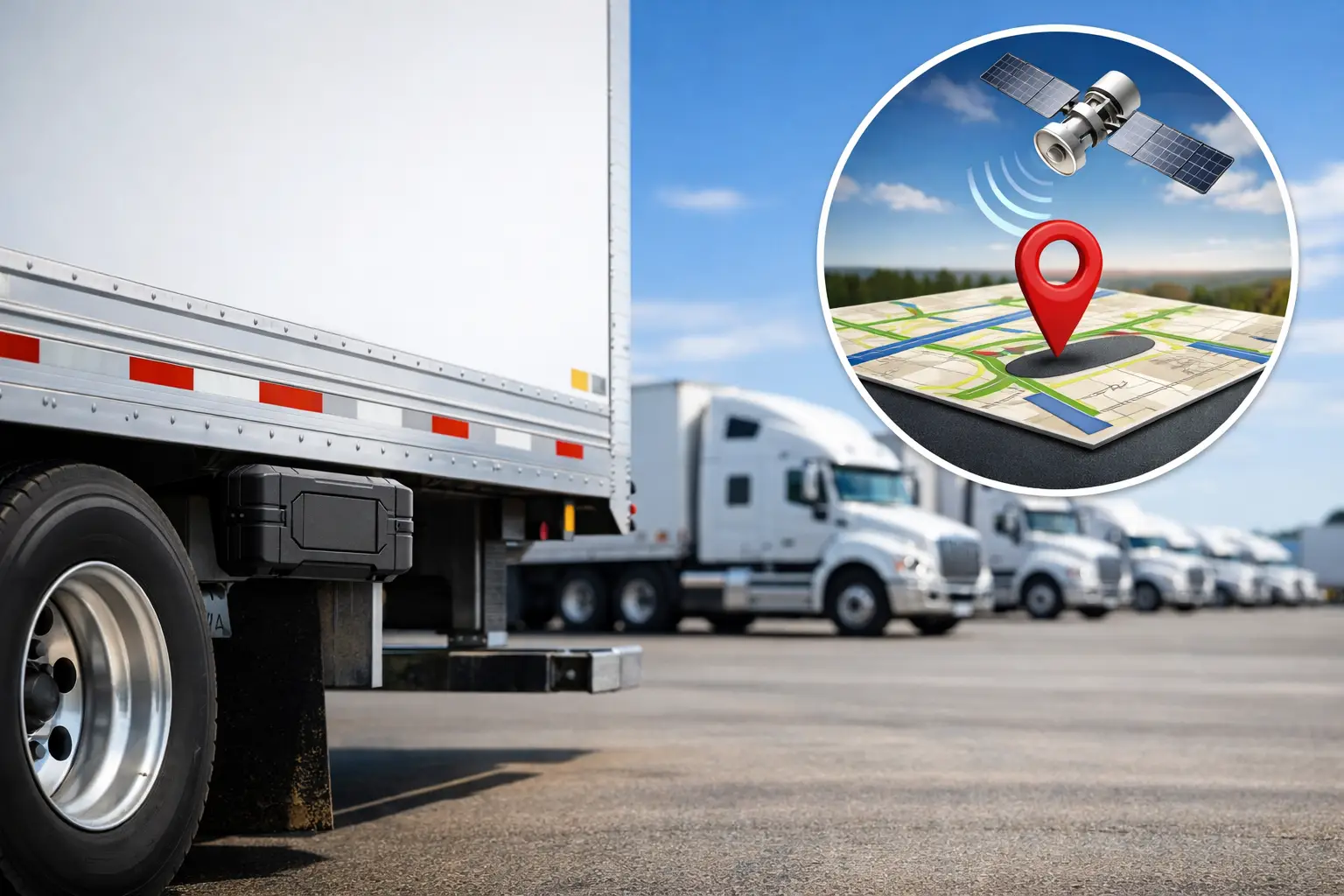
Trailer tracking must account for physical conditions as well as software capability. Mounting position affects GPS performance, tamper resistance and exposure to damage. A device placed where it is easy to access may be easier to service, but it can also be easier to remove. A concealed installation may improve security but can complicate battery checks or diagnostics.
Environmental durability is equally relevant. Equipment used in quarrying, waste collection, construction and coastal operations may face vibration, dust, water, mud, high temperatures and regular pressure washing. Confirm the device enclosure rating, mounting method and operating temperature range against the actual duty cycle. A device designed for light commercial use may not be appropriate for a heavy-duty trailer working across rough sites.
Network coverage should be assessed by operating area, not just a metropolitan coverage map. Fleets travelling across regional Australia need a provider and hardware configuration that can maintain the best practical connection and preserve reporting data when the network drops out. For operations with trailers working across state borders, platform access, reporting rules and support arrangements should remain consistent wherever the asset travels.
Avoid a standalone tracking silo
A low-cost tracker with a separate login may appear attractive for a handful of trailers. The problem emerges as the fleet grows. Dispatchers check one platform for vehicles, another for trailers and a spreadsheet for maintenance. Safety and compliance records sit elsewhere again. Data may exist, but the operation still lacks a single view.
An integrated fleet platform allows trailer data to sit alongside vehicle telematics, driver activity, safety events and operational reporting. This creates a clearer picture of the fleet and reduces duplicate administration. It can also improve the quality of investigations when an incident, missed service or customer query needs to be reviewed.
For heavy vehicle operators, trailer visibility should complement rather than complicate existing compliance workflows. The tracker itself does not create HVNL compliance, but reliable location and movement records can support operational evidence when combined with appropriate mass, fatigue, inspection and maintenance processes.
Netcorp Australia provides trailer, vehicle, plant and machinery tracking through an Australian-designed and supported fleet platform, helping operators bring asset visibility and fleet data into one environment rather than managing disconnected systems.
Questions to ask before deployment
Before selecting a trailer tracking device, define the operational outcome first. Is the priority theft recovery, live dispatch visibility, utilisation control, maintenance planning or trailer-to-prime-mover association? Most fleets need more than one outcome, but their order of importance determines the hardware and reporting design.
Then test the provider against practical deployment questions:
- How long will the battery last at the required reporting intervals and what maintenance is needed?
- Can the unit report movement promptly, retain data through coverage gaps and generate geofence alerts?
- Is the device rated for vibration, water, dust and temperature conditions in the fleet's operating environment?
- Can trailer activity be viewed with vehicle, driver, maintenance and compliance information in the same platform?
- Who installs, configures, supports and replaces devices when an issue occurs?
- How is data protected, and can the system meet the organisation's security and procurement requirements?
Support should be considered early, not after deployment. Installation quality influences antenna performance, device security and battery life. Ongoing support influences whether alert rules remain useful, reporting is adopted and exceptions are acted on. An Australian support team that understands fleet operations can make a meaningful difference when an asset is missing or a reporting issue affects a live job.
Build a trailer tracking rollout around decisions
A successful rollout starts with a clear asset register. Record trailer type, registration or asset number, normal operating region, ownership status, service requirements and current location. This makes it easier to prioritise the trailers that create the greatest operational exposure.
Start with a representative group if the fleet is large or varied. Include high-value trailers, frequently moved units and equipment that operates in difficult conditions. Review reporting intervals, geofence boundaries and alert recipients after several weeks of real use. The initial configuration is rarely perfect, particularly when different divisions work to different schedules.
Most importantly, assign responsibility for responding to the data. A trailer tracking system delivers value when someone can investigate an unauthorised movement, recover an idle asset for the next job or schedule maintenance before downtime affects service delivery. The map is only the beginning. The operational decision that follows is where the return is created.