A concrete agitator waiting at the wrong plant, a waste truck held up by an unplanned detour, or a fatigue record that cannot be produced when requested can quickly turn into lost margin. Fleet technology gives operators the operational picture needed to deal with these issues while they are still manageable, rather than piecing together what happened after the shift.
For Australian fleets, the value is not a dot moving across a map. It is the ability to connect vehicle location, driver activity, asset status, safety events and compliance records in a way that supports sound decisions. That matters most in demanding operations where schedules are tight, equipment is distributed and heavy-vehicle obligations leave little room for incomplete records.
What fleet technology should deliver
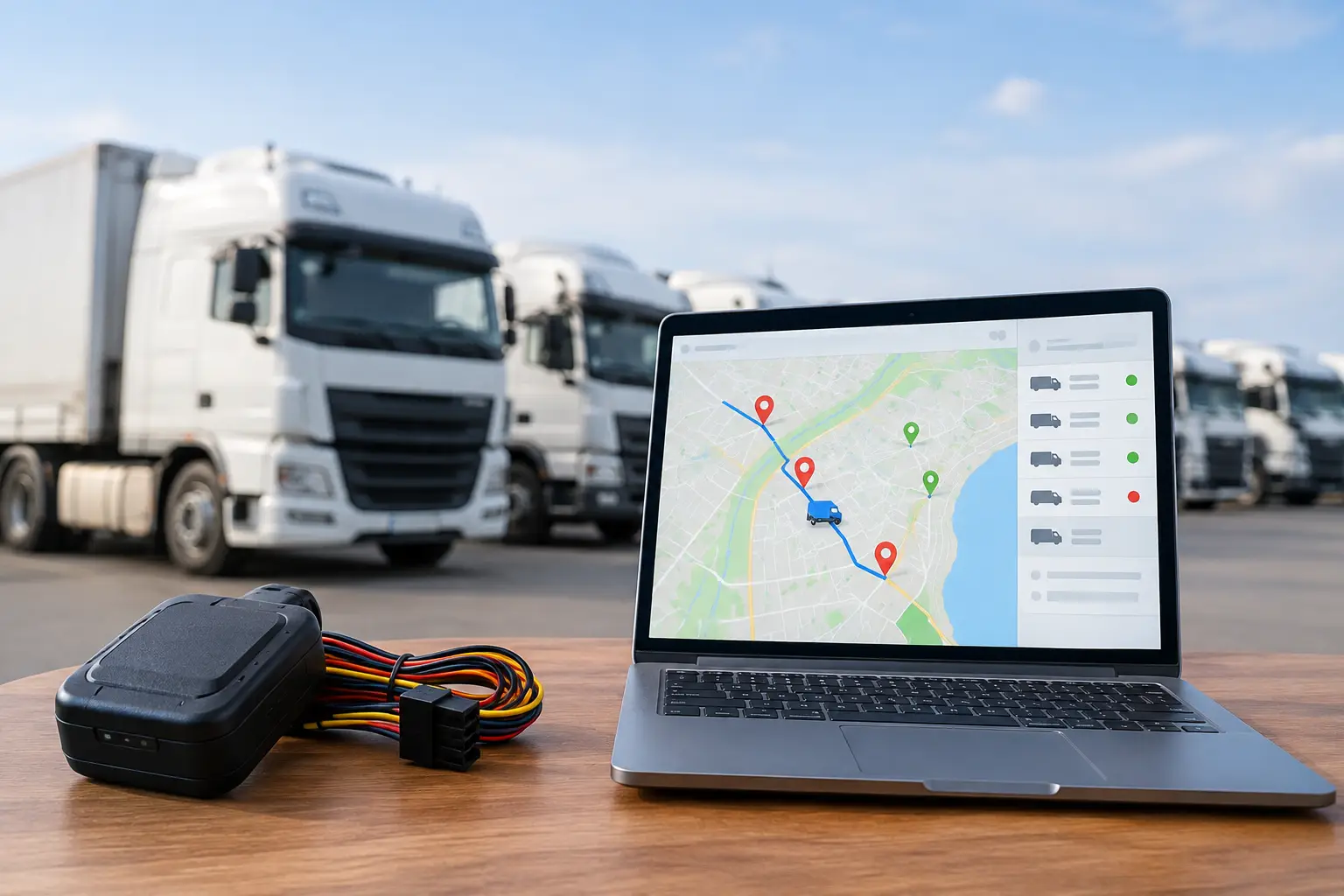
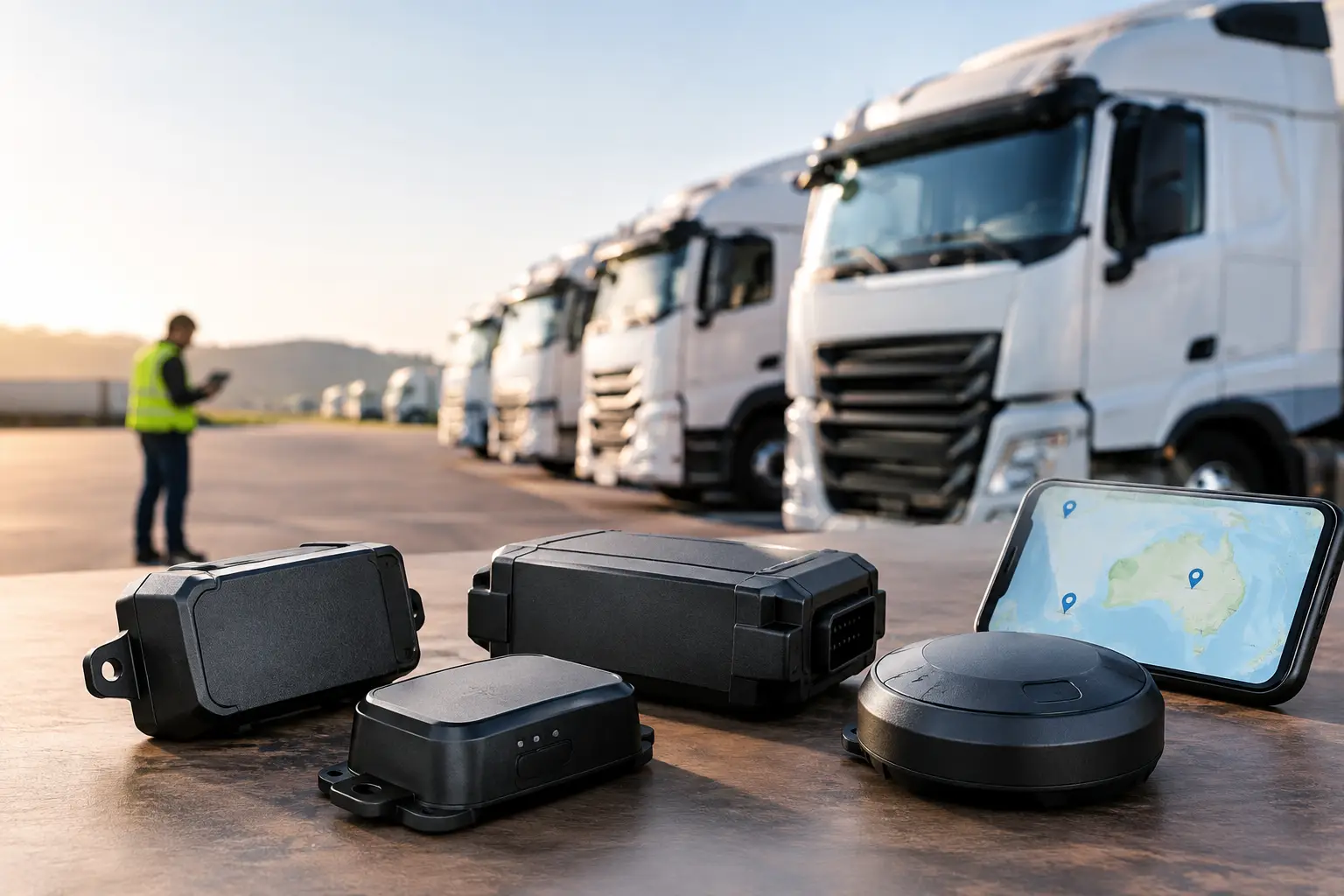
A capable fleet platform combines telematics hardware, GPS tracking, software and practical workflows. Installed in vehicles, trailers, plant, machinery or vessels, the hardware captures operational data such as location, speed, ignition status, engine hours and movement. The platform turns that information into a view of what is happening across the fleet.
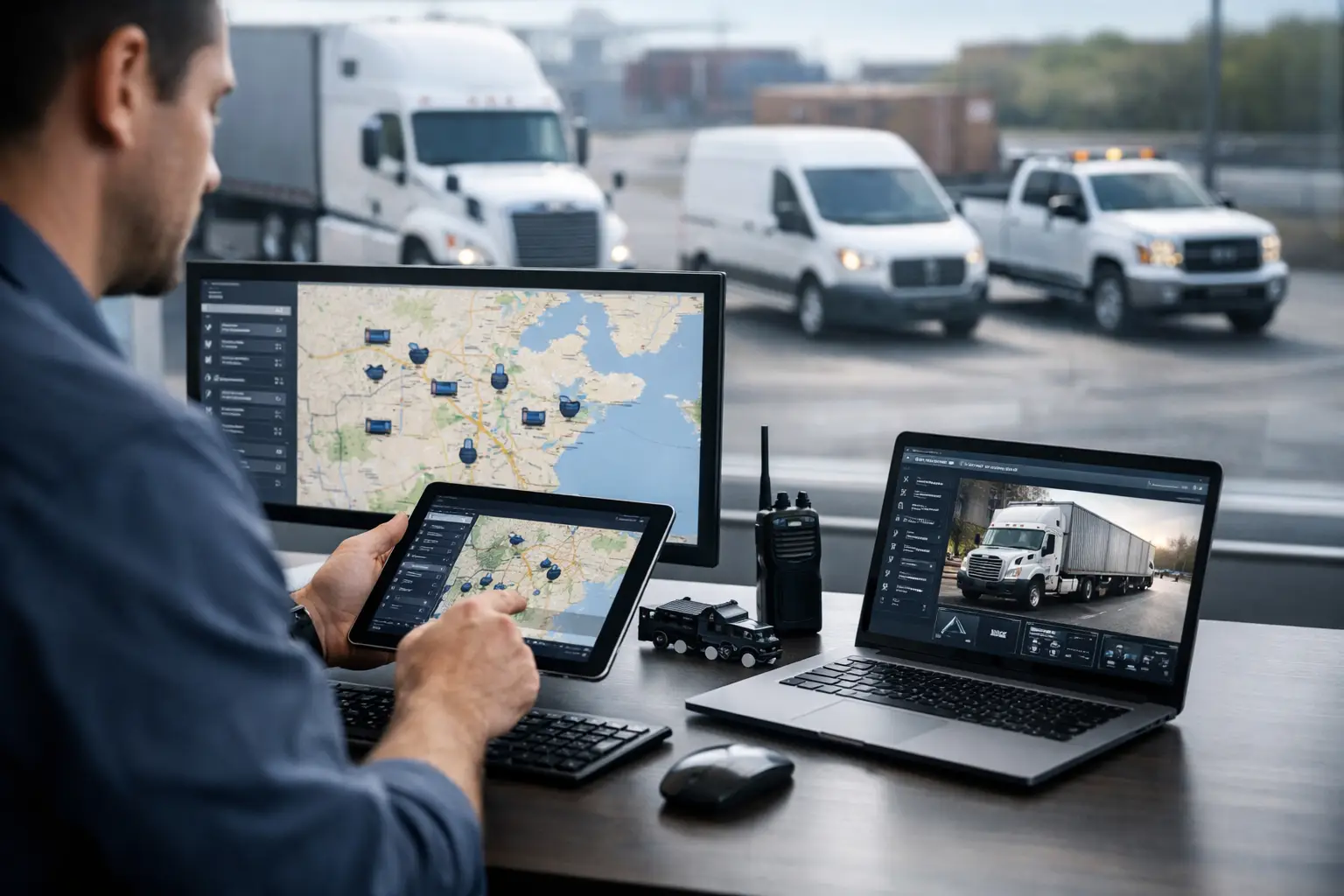
The outcome should be useful at several levels. A dispatcher needs to see which vehicle can attend the next job. A fleet manager needs to identify excessive idling, unauthorised use or missed maintenance intervals. A safety leader needs verified evidence of harsh driving events and completed pre-start checks. An executive needs to understand whether assets are being used efficiently enough to justify their cost.
This is why integration matters. When GPS tracking sits in one system, driver cameras in another, electronic work diaries in a third and maintenance records in spreadsheets, the team spends its time reconciling information. A single platform does not remove every operational problem, but it reduces the gaps between the people responsible for transport, safety, compliance and maintenance.
Real-time visibility with operational context
Location data is most valuable when it includes context. A vehicle shown at a customer site, for example, should be distinguishable from one stopped in traffic or parked after hours. Geofences can record arrivals and departures at depots, construction sites, transfer stations, quarries and customer locations. That creates reliable time records without requiring drivers to manually report every movement.
For concrete, aggregate and construction fleets, this detail supports better allocation of trucks and plant. For waste operators, it can help validate route completion and investigate service exceptions. For plant hire businesses, it offers a clearer view of where high-value equipment is located and whether it is active.
The practical benefit is fewer assumptions. Teams can respond to the conditions on the road, at the site or in the yard with current information rather than relying on calls, paper run sheets and delayed updates.
Safety and compliance cannot be afterthoughts
Heavy-vehicle operators face obligations that extend well beyond vehicle location. Depending on the operation, that may include fatigue management, work and rest records, mass requirements, vehicle inspections, maintenance evidence and Chain of Responsibility responsibilities under the Heavy Vehicle National Law.
Technology can make these processes more consistent, but only when the workflow matches the work being done. An electronic work diary needs to be simple enough for drivers to use correctly in the cab. A digital pre-start needs to capture defects clearly, notify the right person and retain an auditable record. Onboard mass information needs to be available to those making loading and dispatch decisions, not buried in a report after the vehicle has left site.
AI driver camera technology adds another layer of evidence. It can identify events such as distraction, fatigue indicators, harsh braking and tailgating, then provide footage for review. The right approach is not to treat every alert as a disciplinary issue. A high volume of poorly configured alerts will quickly be ignored. Camera settings, escalation rules and coaching processes need to reflect the fleet’s actual risk profile.
There is also a balance between monitoring and trust. Drivers need to understand what is being recorded, why it is being used and how the business will handle the data. Clear policies, fair coaching and consistent follow-up are more effective than installing technology without consultation.
Better records, not just more data
Compliance teams do not need another dashboard filled with raw events. They need records that stand up to scrutiny and can be retrieved when required. That means time-stamped data, defined approval processes, exception reporting and controlled access to sensitive information.
For businesses operating under NHVR requirements, electronic workflows can reduce the administrative burden of chasing paperwork across depots and vehicles. They can also expose exceptions earlier, before an overdue check, missing declaration or fatigue breach becomes a larger issue. Technology supports compliance confidence, but the operator remains responsible for the process, training and action taken.
Where fleet technology produces measurable value
The commercial case is often found in small, repeatable improvements. Excessive idling consumes fuel and adds engine wear. Unplanned overtime can be caused by poor job allocation, incomplete visibility or time spent calling drivers for updates. Underused assets may be retained because no one has a clear utilisation picture.
Fleet data helps identify these patterns, but the savings only arrive when someone owns the response. If a report shows recurring idle time at a depot, the next step may be a site-process change, not a driver conversation. If route deviation is common, the issue could be inaccurate job data, access restrictions or an unrealistic schedule. The data starts the investigation; it does not always provide the answer.
Some gains are immediate. Geofence-based arrival and departure records can reduce manual administration. Driver behaviour reporting can direct coaching to the people and events that need it. Maintenance triggers based on kilometres, engine hours or fault data can help workshops plan work before an avoidable breakdown disrupts a shift.
Other gains take longer. A business looking to reduce overtime needs to compare planned work against actual vehicle activity, loading times, travel times and site delays over several weeks. Netcorp has documented a 40% overtime reduction in customer outcomes, but results will depend on the operation’s baseline, management response and the quality of its rollout.
Selecting the right fleet technology for an Australian operation
The best system is not necessarily the one with the longest feature list. It is the one that can be installed, supported and used consistently across the fleet. Start by defining the operational decisions that need better information. For some businesses, the priority is heavy-vehicle compliance. For others, it is recovering plant, improving safety performance or gaining accurate job-time records.
Then assess how the platform handles the realities of the fleet. It should support the relevant mix of prime movers, rigids, utes, trailers, yellow goods, fixed plant or marine assets. It should work across remote areas with intermittent coverage and retain data appropriately when a connection is unavailable. Hardware needs to be fit for vehicle conditions, securely installed and supported over its working life.
Consider these questions before committing to a provider:
- Can the hardware, tracking, cameras and compliance workflows operate as an integrated solution?
- Does the provider understand HVNL, NHVR EWD, fatigue and onboard mass requirements where relevant?
- Who installs the equipment, manages faults and supports drivers and administrators after deployment?
- How is fleet and driver data protected, accessed and retained?
- Can the platform adapt to depot workflows, industry-specific reporting and future fleet growth?
Australian-based delivery is particularly valuable when a rollout involves multiple sites, mixed asset types or regulated heavy vehicles. A provider with local technical expertise can resolve installation issues, configure workflows around real operations and provide support when the fleet is working outside standard business hours. Netcorp’s model of in-house hardware, fleet systems and Sydney-based support is designed for this type of end-to-end responsibility.
Implementation determines whether the system is used
A fleet technology rollout should begin with a representative pilot, not a rushed installation across every asset. Test the hardware in the vehicles and environments that create the most complexity. Confirm location accuracy, driver identification, alert settings, camera event thresholds, reporting needs and user permissions before scaling.
Training needs to be role-specific. Drivers should know what the in-cab equipment does and how to report faults. Dispatchers need practical views for managing the day. Supervisors need to understand the difference between a useful exception and an alert that requires no action. Administrators need ownership of asset records, geofences and reporting standards.
It also helps to establish a regular review rhythm. Examine a small number of operational measures that matter, such as idle time, safety events, pre-start completion, utilisation, overtime or route exceptions. Avoid creating reports simply because the platform can produce them. The strongest programmes use data in toolbox meetings, dispatch planning, maintenance scheduling and monthly management decisions.
The real test of fleet technology is not whether it produces more data. It is whether the next decision - assigning a job, checking a fatigue record, investigating an incident or recovering an asset - can be made faster and with confidence.