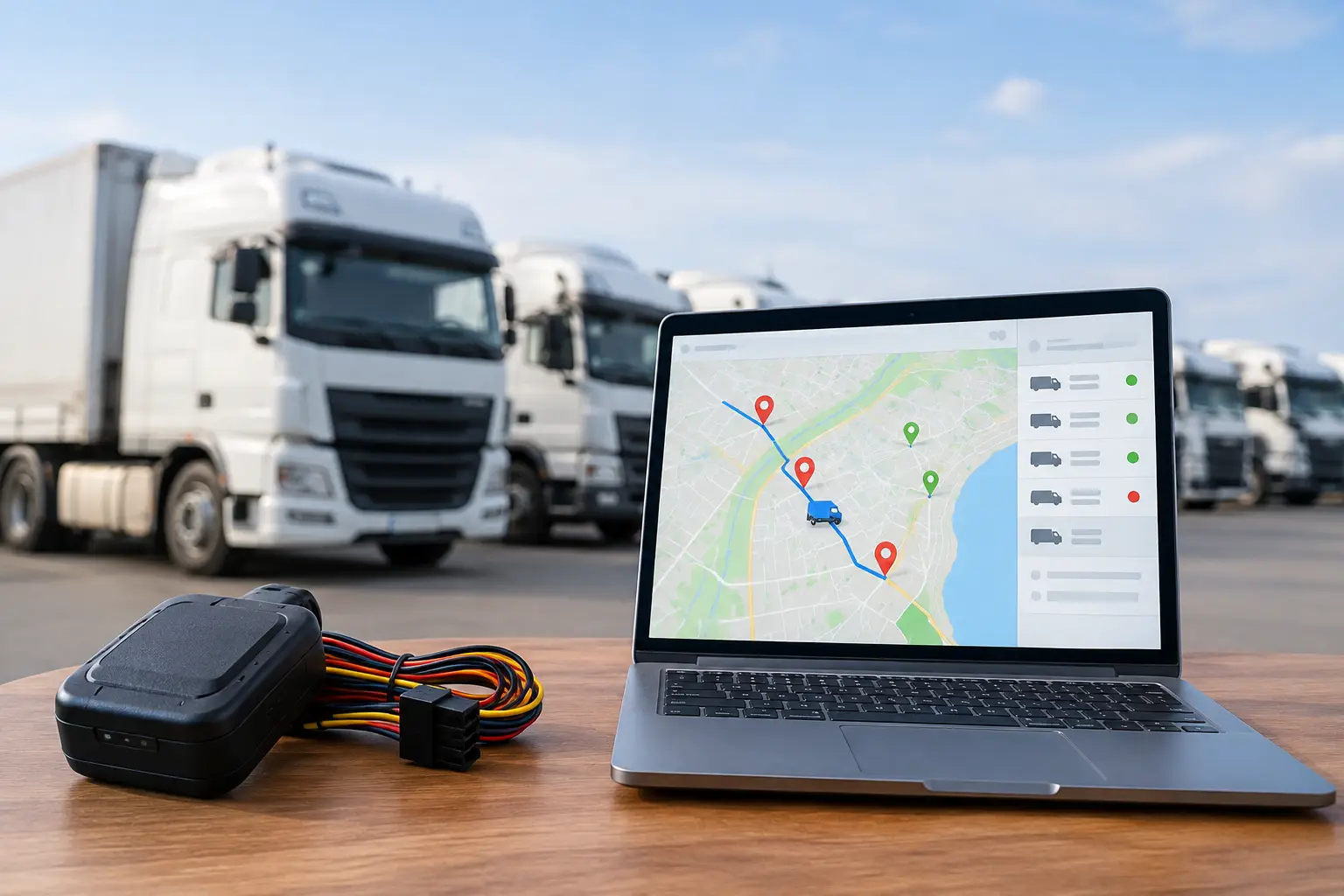
A compliance breach rarely starts with a missed report. It starts with a driver beginning a shift without a completed pre-start, a vehicle operating outside its approved mass, or a fatigue record that cannot be verified when it matters. The compliance technology trends 2026 shaping Australian fleets are therefore less about adding another dashboard and more about turning day-to-day operational data into reliable evidence.
For transport, construction, waste, concrete and plant operators, the pressure is practical. Teams need to meet Heavy Vehicle National Law obligations, protect drivers, keep equipment available and respond quickly when an incident, audit or customer query occurs. The strongest technology approach connects these requirements to how work is actually performed in the field.
Compliance technology trends 2026: connected evidence
The major shift is from isolated compliance records to connected evidence. Electronic work diaries, telematics, driver cameras, onboard mass systems, pre-start forms and maintenance information have traditionally been managed in separate places. That creates duplicated administration and leaves supervisors to reconcile events after the fact.
In 2026, fleet operators will increasingly expect one operational view of the vehicle, driver, route and task. When a potential fatigue issue, harsh driving event or mass exception is identified, the relevant time, location, vehicle activity and supporting record should be available together. This reduces the time required to investigate an event and gives managers better context before they act.
Connection does not mean every system needs to be replaced at once. Larger fleets often have established payroll, maintenance or transport management systems that remain fit for purpose. The priority is to remove the gaps between systems that create compliance risk, especially where a manual spreadsheet or delayed export is the only link between a safety event and a corrective action.
Real-time alerts will become more selective
More alerts do not automatically create a safer fleet. A supervisor who receives hundreds of low-value notifications will eventually stop seeing the events that need attention. The better approach is to configure exception management around material risk.
For example, an alert may require different escalation depending on whether a heavy vehicle is travelling, idling at a depot, operating on a worksite or approaching a fatigue threshold. A mass exception may need immediate action before a vehicle enters the road network, while a repeated pre-start defect may trigger a maintenance workflow and prevent the asset being allocated to the next job.
This is where operational knowledge matters. Technology should reflect the rules, routes and responsibilities of the fleet rather than apply a generic threshold to every ute, truck, trailer and item of plant.
Fatigue management becomes an active workflow
Fatigue compliance is moving beyond recordkeeping. Electronic work diary technology provides a clearer, more timely record of work and rest, but its value depends on the workflow around it. Dispatchers, drivers and compliance teams need a shared understanding of planned work, available hours, changes to schedules and exceptions that require review.
The next stage is using telematics and EWD data together to identify risk before a breach occurs. A delayed loading slot, road closure or unexpected diversion can affect a driver's planned rest period. If that information is visible during the shift, operations can make a controlled decision rather than discover the issue during an audit.
There is an important boundary here. Technology can support fatigue management, but it does not replace competent scheduling, fit-for-work processes or management accountability. A system may show that a driver is within recorded hours while other factors, including repeated night work or a demanding site schedule, still warrant intervention.
Mass monitoring moves closer to the point of decision
Onboard mass technology is becoming more valuable as fleets seek to manage mass before a vehicle leaves site, not after an infringement or roadside intercept. For concrete, aggregate, waste and bulk haulage operations, load variation is often part of the work. Waiting until the end of the shift to find an issue is not a workable control.
Integrated mass monitoring can give operators earlier visibility of potential overloads, axle-group concerns and loading trends by site or vehicle configuration. Combined with GPS data, it can also help identify where recurring issues originate, whether that is a loading process, product density variation, vehicle setup or a change in customer requirements.
The trade-off is that mass data needs to be fit for its intended use. Fleet managers should understand the accuracy, calibration, installation and reporting requirements of any solution, and ensure staff know what action to take when an exception appears. A number on a screen is only useful when it supports a defined operating decision.
AI camera systems shift from footage to intervention
AI driver camera technology will continue to change the way fleets manage safety events. The useful development is not simply recording more footage. It is detecting high-risk behaviours, such as distraction, fatigue indicators, mobile use or unsafe following distance, and giving authorised teams a way to review an event with context.
For compliance leaders, this creates a stronger record of what occurred before and after an incident. For fleet managers, it supports targeted coaching rather than broad assumptions about driver behaviour. For drivers, a well-run program can provide evidence when they are not at fault.
Implementation requires care. Camera policies should be clear about the purpose of monitoring, who can access footage, how long records are retained and how coaching is handled. If drivers see the system only as surveillance, adoption will suffer. If they understand it as a safety control supported by fair, consistent processes, the technology is more likely to improve outcomes.
Digital pre-starts become a maintenance signal
Paper pre-start checks are easy to complete, difficult to verify and often disconnected from maintenance planning. Digital inspections are becoming more useful because they can record time, location, photographs, defect categories and acknowledgement by the responsible person.
The trend for 2026 is not merely digitising the form. It is using pre-start information to identify repeat defects, isolate high-risk vehicles and measure how quickly issues are rectified. A defect found on a trailer at 5.30 am should not remain a note in a folder while the asset is allocated later that morning.
Effective workflows distinguish between defects that require an immediate stop, issues that can be scheduled for repair and observations that help identify a developing problem. This avoids both extremes: running unsafe equipment or taking every asset out of service for minor matters that can be managed appropriately.
Audit readiness becomes an everyday capability
An audit-ready fleet should not need weeks of manual preparation to show who drove a vehicle, what route it travelled, whether required checks were completed and how an exception was resolved. The expectation is moving towards records that are complete, timestamped, accessible and defensible as part of normal operations.
That requires more than data capture. Organisations need retention rules, clear roles, review procedures and a secure platform. Cyber security is directly relevant to compliance when fleet records contain driver information, vehicle movements, customer locations and incident footage. Access controls, reliable backups and local support arrangements should be considered alongside the compliance features themselves.
Australian fleets should also assess provider ownership carefully. A collection of third-party hardware, apps and support contacts can leave gaps when an issue crosses systems. An end-to-end provider with in-house hardware, platform capability and local technical support can simplify accountability, particularly for fleets operating across multiple depots, remote sites or demanding shift patterns.
What fleet leaders should prioritise now
The right investment depends on fleet size, operating environment and current risk profile. However, a practical 2026 roadmap usually starts with four questions:
- Can we see fatigue, mass, vehicle condition and safety events in time to act?
- Can we demonstrate what happened, who reviewed it and what corrective action followed?
- Are drivers and supervisors working from simple workflows that suit real shifts and job sites?
- Does our technology partner support the hardware, software and people after deployment?
Start with the point where compliance information is currently delayed, incomplete or hard to verify. For one fleet, that may be fatigue records across long-distance work. For another, it may be trailer inspections, concrete delivery visibility or managing mass at variable loading sites.
Netcorp's Australian-designed fleet platform is built around this operational reality, bringing telematics, heavy-vehicle compliance workflows, AI camera events and asset information into a connected environment supported by a Sydney-based team.
The most useful compliance technology will not feel like another task imposed on the fleet. It will help the right person make a better decision during the shift, then leave behind a record that stands up when the business needs it.