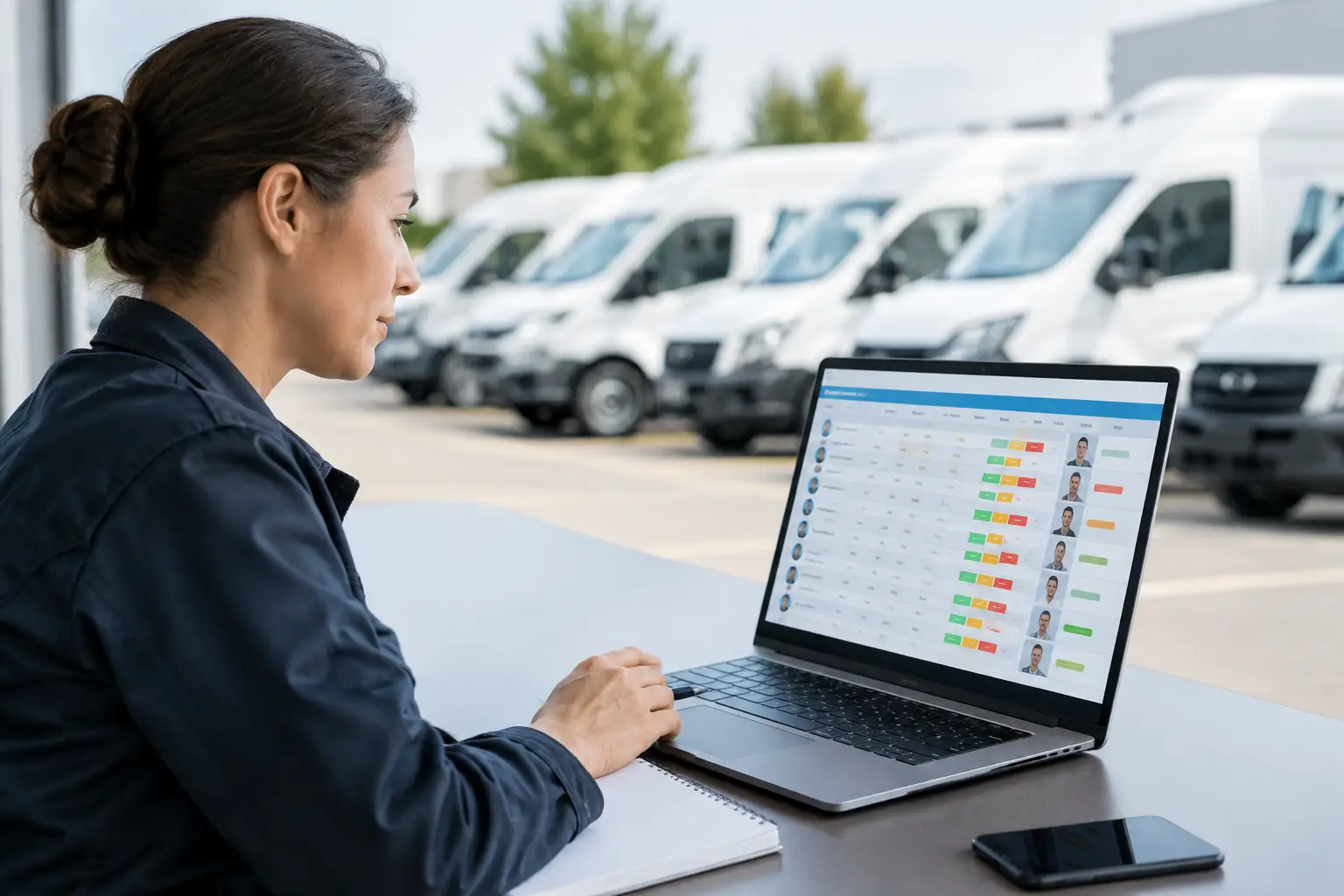
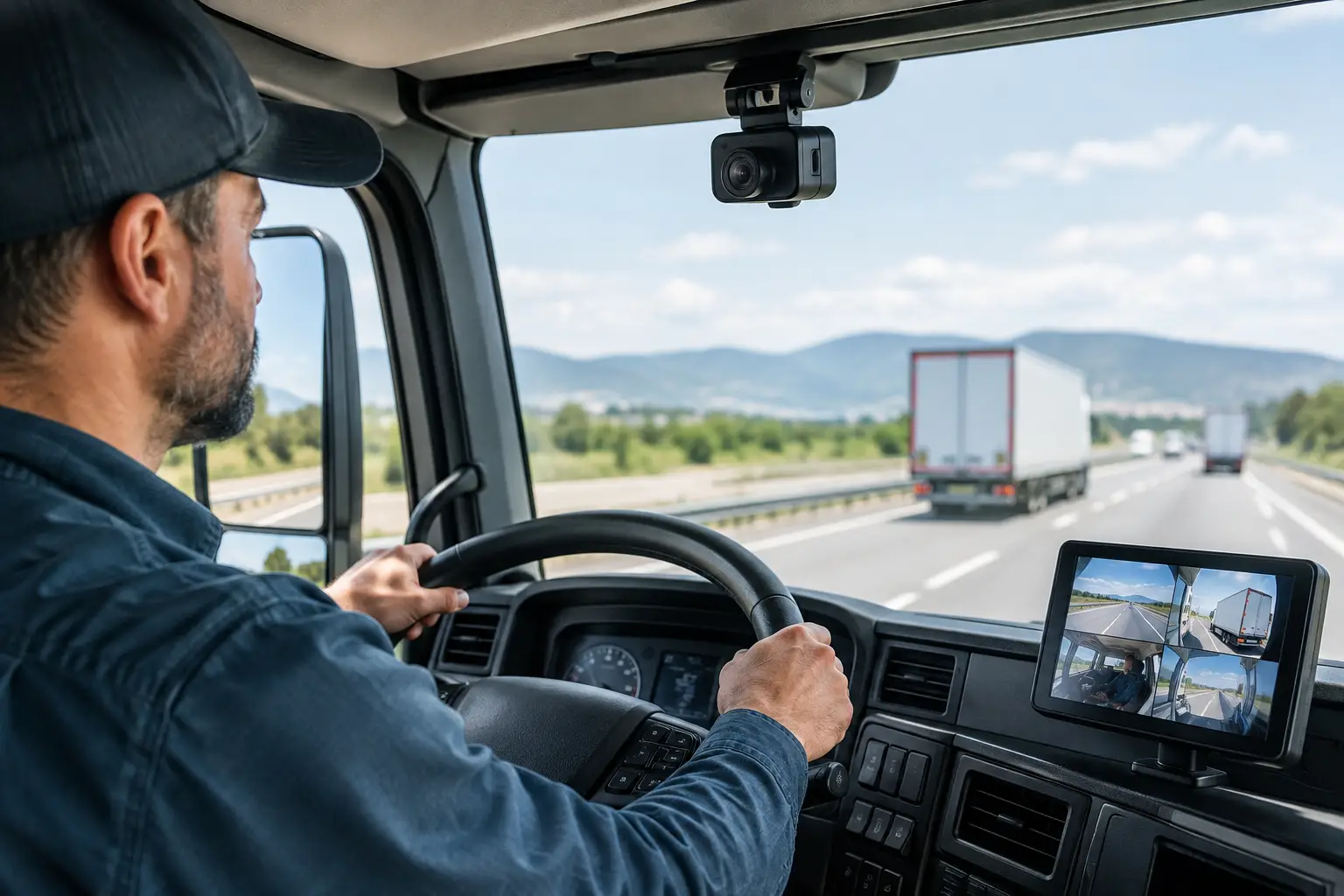
A disputed harsh-braking event, a near miss at a congested worksite or a complaint from the public can consume hours of management time when the facts are unclear. Fleet camera software changes that equation. It gives fleet, safety and operations teams verified video context around driving events, so they can respond to what happened rather than relying on assumptions.
For Australian fleets, the value is not simply having a camera in the cab. The value comes from connecting video, vehicle location, speed, driver behaviour and operational workflows in one usable view. That connection supports safer driving, quicker incident handling and more defensible records for customers, insurers and regulators.
What fleet camera software should actually deliver
A camera system that only stores footage after an incident has limited operational value. Effective fleet camera software identifies relevant events, presents the surrounding context and directs managers to the footage that needs attention. Depending on the fleet and configuration, this may include harsh braking, harsh acceleration, speeding, cornering, impact events, following distance concerns, mobile distraction, fatigue indicators or unauthorised vehicle use.
Video must be considered alongside telematics data. A speed alert without footage may show that a vehicle exceeded a threshold. Footage can reveal whether the driver was avoiding a hazard, travelling downhill under load, or operating in conditions that require a different response. The purpose is not to remove professional judgement. It is to give managers enough evidence to apply it fairly.
For transport, waste, construction and concrete operations, context matters even more. Vehicles often work around pedestrians, site traffic, reversing equipment, narrow access points and changing road conditions. A clear record can help establish what occurred at a customer site, on a public road or during a delivery window. It can also identify recurring risks before they become reportable incidents.
Event-based review keeps teams focused
Most fleet managers do not have the capacity to watch hours of video from every vehicle. The software should use triggered events and practical filtering to reduce the review workload. A safety manager may need to see all high-severity events for the previous shift, while an operations manager may need footage from a specific vehicle, location or delivery time.
The quality of event settings matters. Thresholds that are too sensitive create a queue full of low-value alerts and condition staff to ignore them. Thresholds that are too loose can miss behaviour requiring intervention. They should be tested against actual routes, vehicle types, payloads and site conditions, then adjusted with input from drivers and supervisors.
A fair coaching process is more effective than surveillance
Drivers are more likely to accept camera technology when the operating purpose is clear: safer work, fairer incident review and support for good driving. Footage should be used within a documented policy that sets out who can access it, what events are reviewed, how coaching is conducted and when escalation is appropriate.
A good process recognises the difference between a one-off event and a pattern. A driver who brakes suddenly to avoid a child near a school zone needs a different conversation from a driver repeatedly tailgating in traffic. Camera evidence makes this distinction easier to see and helps supervisors hold constructive, specific conversations rather than issuing broad warnings.
Where fleet camera software delivers measurable value
The most immediate benefit is usually faster incident resolution. When a customer complaint, third-party allegation or vehicle damage report arrives, managers can locate relevant footage and vehicle data without chasing paper records, phone calls and memory. That can reduce administrative time and prevent unnecessary disputes from escalating.
Camera data can also improve driver coaching. Teams can identify trends by vehicle, route, depot or time of day, then focus training where it is most needed. For example, repeated distraction alerts may point to a driver issue, but they may also reveal poor communication practices that encourage drivers to answer calls while moving. The corrective action should address the cause, not just the alert.
For heavy vehicles, camera software can complement broader compliance controls, including fatigue management, electronic work diaries, pre-start checks and mass management workflows. Video is not a substitute for these systems, nor does it automatically prove compliance. It does, however, strengthen the operational record around a safety event and can expose gaps between written procedures and day-to-day practice.
There is a commercial benefit as well. Preventing a collision or resolving a false claim quickly can protect vehicle availability, insurance outcomes and customer relationships. The result depends on how the system is managed. Installing cameras without reviewing events, coaching drivers or acting on repeat risks will not produce the same return.
Choosing fleet camera software for complex Australian fleets
The right platform depends on the work your fleet performs. A metropolitan courier fleet may prioritise driver distraction alerts and rapid incident retrieval. A concrete fleet may need visibility across agitators, delivery locations and site movements. A civil contractor may need cameras that perform reliably around dust, vibration and variable mobile coverage. A waste operation may need clear evidence around collection routes and public interactions.
When assessing providers, procurement and operational teams should test five practical questions:
- Can the system combine video with GPS, vehicle data and driver event information in one platform?
- Does the hardware suit the vehicle types and operating environment, including heavy vehicles, plant and trailers?
- How are events prioritised, reviewed and retained, and can the settings be adjusted by vehicle class?
- What implementation, driver communication and ongoing technical support are included?
- Where is the data managed, and what security and quality controls support the service?
These questions move the discussion beyond camera specifications. High-definition footage is useful, but it is only one part of the solution. A system must work reliably in the field, be accessible to authorised staff and fit the workflows that managers already use to run the fleet.
Integration prevents another operational silo
Separate systems create avoidable work. If video sits in one portal, GPS tracking in another, compliance records in a third and maintenance information elsewhere, staff spend time matching events across systems before they can make a decision. An integrated fleet platform can reduce that effort by linking the driver, vehicle, route and event record.
Integration also improves escalation. A serious camera event may require a safety review, while a vehicle fault alert may need maintenance action. When the operational picture is connected, teams can assign the right response sooner. This is particularly valuable for organisations managing multiple depots, subcontractors or mixed fleets of trucks, utes, plant and mobile equipment.
Implementation determines whether the system is trusted
Camera projects should begin with clear outcomes, not a device count. Define the safety risks to address, the events that warrant review, the people responsible for responding and the measures that will show improvement. Those measures might include reduced high-risk events, shorter incident investigation times, fewer disputed claims or better completion of coaching actions.
Engage drivers early. Explain the scope of the system, demonstrate how events are assessed and give drivers a way to raise concerns about inaccurate alerts or camera placement. Consultation is especially relevant where in-cab cameras are used, as privacy, workplace relations and policy obligations need to be addressed carefully.
Deployment also needs practical planning. Hardware installation should account for vehicle downtime, power requirements, camera positioning, connectivity and the different needs of prime movers, rigid trucks, light vehicles and plant. Once deployed, managers need training that focuses on event review and action, not just how to log into a portal.
For fleets that require an Australian delivery model, Netcorp brings camera technology, telematics, heavy-vehicle compliance tools and local support together under one operating framework. Its Sydney-based team designs, builds and supports solutions for demanding fleet environments, backed by ISO 9001 and ISO 27001 certification.
The best camera program does not create a culture of catching people out. It gives drivers, supervisors and leaders a clearer view of risk, a fair basis for decisions and a practical opportunity to prevent the next incident.